
Vegetable pakora recipe is one of the most famous recipes of Indian snacks that is prepared with vegetables and can be able to create an irresistible crunch, spicy flavor, and a comforting taste. Vegetable pakoras are one of the commonly used foods which are prepared using a batter of mixed vegetables fried in spiced gram flour and finally fried till golden thus consumed during the rainy nights, chilly nights, parties and tea-breaks. The pakoras that are being cooked in hot oil are frying and warmness, nostalgia, and a time together are the first things that one is exposed to.
Vegetable pakora has a speciality which is its diversity. You can prepare it in a rush because you can prepare it with practically all the vegetables that you have in your refrigerator; therefore, it is cheap and quick. Served plain, with chutney or a hot cup of chai, vegetable pakora never leaves a person hungry.
You will be acquainted here on how to prepare crispy vegetable pakoras at home and how to cook, tips, variations, serving ideas and storage suggestions.
About Vegetable Pakora
Vegetable pakora or mixed vegetable pakora is an Indian fritter made by batter preparation made of seasoned gram flour (besan) and fried batter of cut-up or chopped vegetables. The vegetables are coated lightly, thus, becoming tender in the inside but crunchy on the outer part.
The common types of vegetables include cauliflower, carrots, spinach, beans, cauliflower, spinach, and capsicum. The various vegetables have a different touch and taste and one cannot help but be excited and become enamored with each bite.
Cultural Importance of Vegetable Pakora
The pakora of vegetables is a special dish in Indian homes, particularly when it is the monsoon. Pakoras and tea can hardly complete rainy evenings. Pakoras are made in homes across India, or purchased fresh by local sellers every time there is rain.
Festivals, fasting days (with variations), family get-togethers, as well as informal get-togethers, are also periods of preparing pakoras. They are simple and can be enjoyed by any age group due to their universal popularity.
Recipe Card
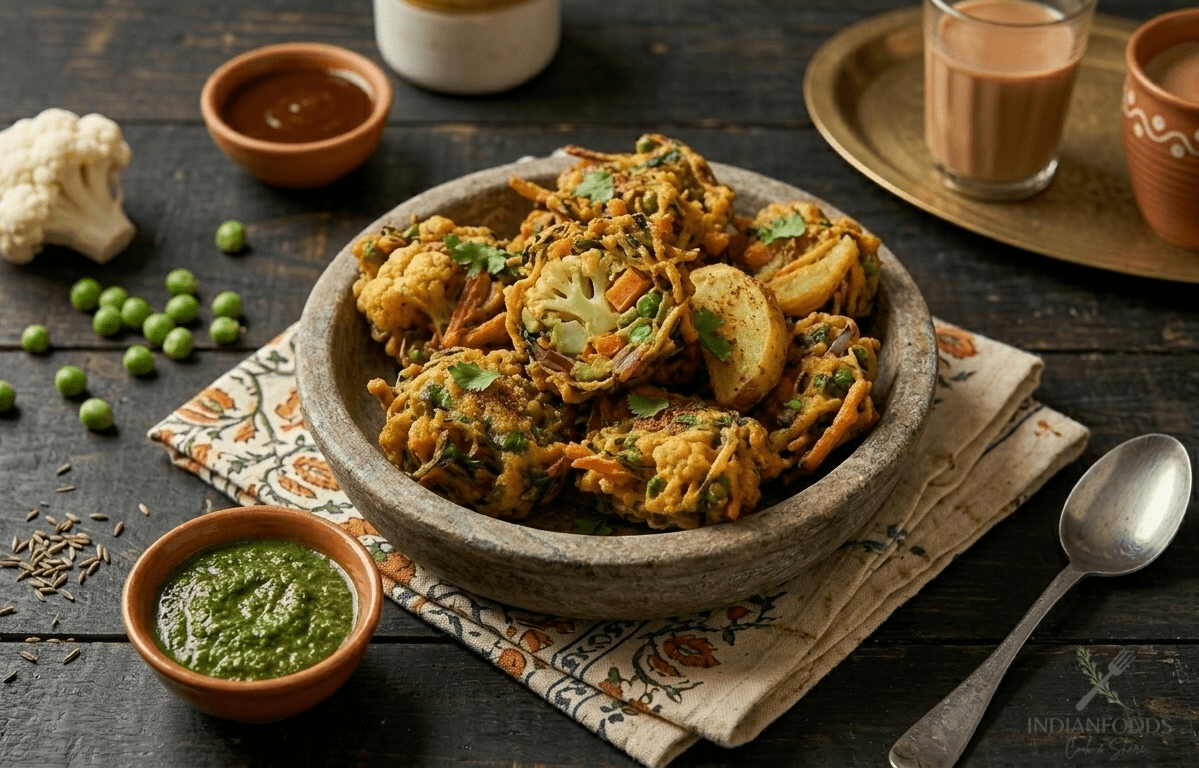
Vegetable Pakora Recipe
Ingredients
Vegetables (You may combine and change)
- 1 cup sliced onions
- ½ cup thinly sliced potatoes
- ½ cup cauliflower florets
- ½ cup carrots julienned
- ½ cup spinach chopped
- ¼ cup capsicum sliced
Batter Ingredients
- 1½ cups gram flour besan
- Salt to taste
- Water as required
- Spices and Flavorings
- ½ tsp red chilli powder
- ½ tsp turmeric powder
- ½ tsp garam masala
- ½ tsp ajwain or cumin seeds
- A pinch of hing asafoetida
- 1-2 green chillies finely chopped.
- 1 tbsp of leaves of coriander which are chopped.
- 1 –2 tbsp rice flour or cornflour to make it crispy
- Oil for deep frying
Instructions
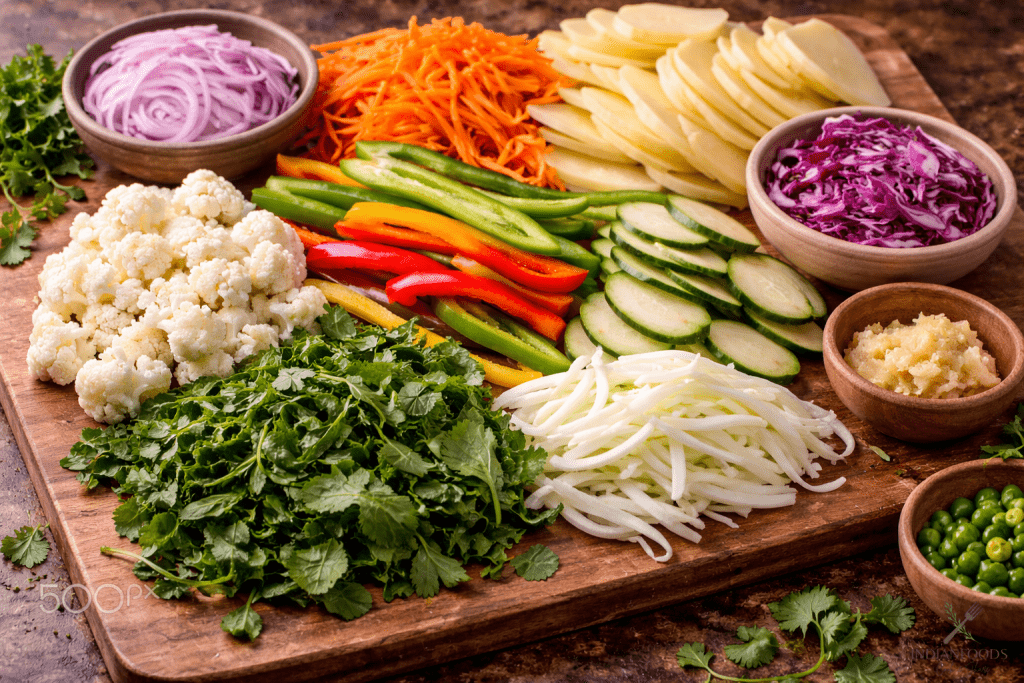
- Wash and cut vegetables into thin slices, with vegetables that are leafy being thoroughly dried so that they are crisp when fried.
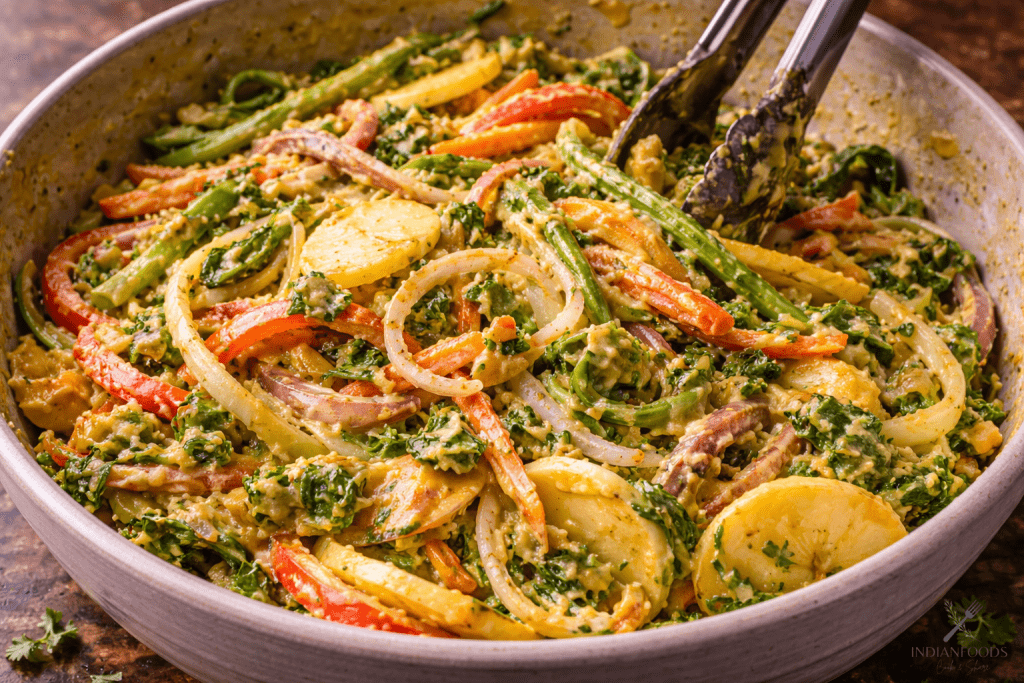
- Combine gram flour, rice flour, spices, herbs, and salt. Slowly pour water to create a thick batter and cover the vegetables with the batter.
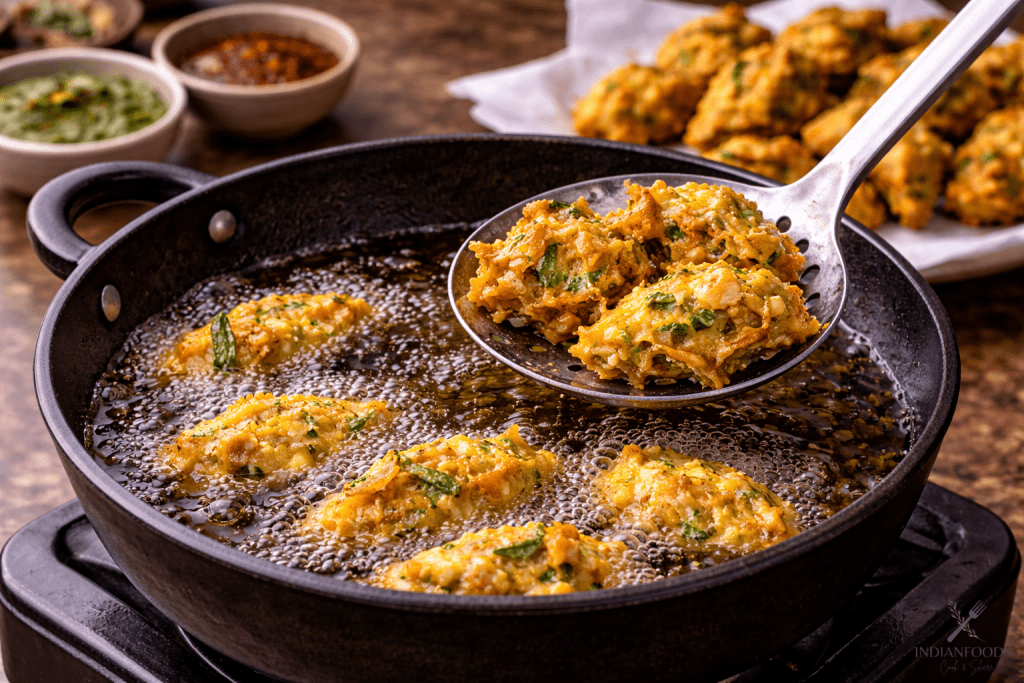
- Boil oil on medium heat and ensure by dropping a small portion of batter to rise slowly, and not to burn.
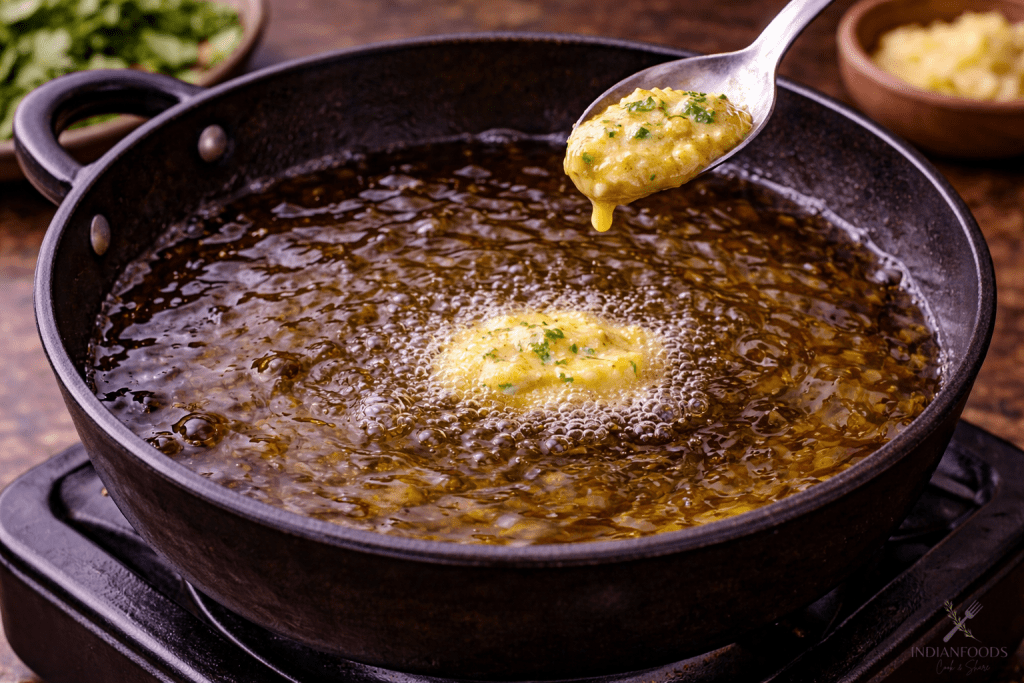
- Add little bits of mixture into hot oil, fry them in batches in golden and crispy form and drain using paper towels.
Notes
- Do not add too much water; vegetables release moisture naturally.
- Use rice flour for extra crispiness.
- Fry on medium heat to ensure even cooking inside.
- Avoid overcrowding the pan while frying.
- Serve immediately for the best crunch.
Extra Crispy Vegetable Pakora Tips
- Minimal amounts of water in the batter
- Crunchy rice flour/ cornflour
- Fry on medium heat
- Do not overcrowd the pan
- It should be served immediately upon frying
Famous Variations of Vegetable Pakora
Onion Pakora: With a traditional one, use only sliced onions.
Spinach Pakora: Include additional spinach that has been chopped to make it greener.
Aloo Pakora: Use only thin potato slices.
Jain Vegetable Pakora: Substitute onion and garlic, vegetables such as bottle gourd and cabbage.
Air-Fried Vegetable Pakora: Fry brush pakoras with oil and air fry, to make a version with less oil.
Serving Suggestions
Vegetable pakoras are better taken hot with:
- Green chutney
- Tamarind chutney
- Tomato ketchup
- Hot masala chai
They may be taken as a snack, starter or party appetizer.
Storage and Reheating Tips
- Best enjoyed fresh
- Keep refrigerated for as long as 1 day.
- Put back into the oven or air-frier to make it crisp again.
- Avoid microwaving
Health Perspective
Vegetable pakora offers:
- Fiber and vegetables vitamins
- Gram flour protein
- Warmth and comfort
Nevertheless, it is fried and therefore must be eaten sparingly. It can be made healthier by using less oil, air frying or shallow frying.
Common Mistakes to Avoid
- Using watery vegetables
- Excessive addition of water to batter.
- Frying on very high heat
- Overcrowding the pan
Why Vegetable Pakora is Loved Across India
The popularity of vegetable pakora is because of the crunch, taste and flexibility. It has a variant of every house and there are no two batches of the same. It is long lasting and relaxing due to its ability to transform normal vegetables into a delicious snack.
Conclusion
Pakora is one of the snack dishes that are unified with simplicity, flavor, and comfort among Indians. The outer part of these pakoras is crispy and the inner part is soft and is better during rainy season evenings or during festivals or when one feels like having pakoras.
You can also cook the pakora (snack with vegetables) to allow having fresh vegetables, control the amount of the spice you are using and have a clean version of your favourite snack. Another crisp type of fried food are pakoras and they can be made to perfection provided you adhere to an equal proportion of batter and proper method of frying.
Once having tried this homemade vegetable pakora recipe, the given dish will enter your menu list of snacks you will warm up and feel happy after you take one bite after another.
Related Recipes
FAQs
You can use spinach, potato, cauliflower, carrots, cabbage or mixed vegetables.
The oil might not be hot, or the batter can be too thin.
Use thick batter, fry on medium heat, and avoid adding too much water.
Yes, but they may not be as crispy as deep-fried ones.
It’s best to prepare fresh batter, as vegetables release moisture over time.