
Samosa recipe is one of the most famous and popular snacks’ recipes in Indian cuisine. Having a sharp golden crust and a tasting spiced potato stuffing, samosa is eaten around India and even the rest of the world. Samosa has an important place in the day-to-day life of an Indian, whether it is a roadside tea stall or a wedding buffet, school canteen or a birthday celebration.
The triangular form, crispy outer layer and aromatic stuffing make samosa easily identifiable and very relaxing. Homemade samosas are not as popular as street food though they have their own beauty. They are more updated, clean and can be tailored down to taste.
In this blog, you will not only come to know how to make traditional Indian samosas in the kitchen, but also some ideas and tips, variations, serving ideas and storage suggestions.
About Samosa
A samosa is a fried pastry snack which contains a savory combination of spices, potatoes and peas. It is coated with the flour and fat on the outside that makes it crisp and flaky when it is fried slowly. The stuffing is spicy, slightly fragrant and well balanced.
Samosas can be made in numerous variations and though the traditional aloo samosa is the best seller, there are several types of samosa such as paneer, lentil and meat fillings. Nevertheless, the nature of a samosa is the same: it is crispy on the outside and delicious on the inside.
Cultural Significance of Samosa
Samosa is not only a snack rather it is a cultural representation of Indian street food. It is usual to have it with tea, chutneys and occasionally chole. One of the gestures of hospitality in most Indian families is to serve samosas to the guests.
The samosas are particularly eaten on:
- Evening tea time
- On festivals and fairs
- Family meals
- Rainy seasons
- Parties and celebrations
Its cross ethnic popularity is one of the factors that make it one of the most popular snacks in India.
Recipe Card
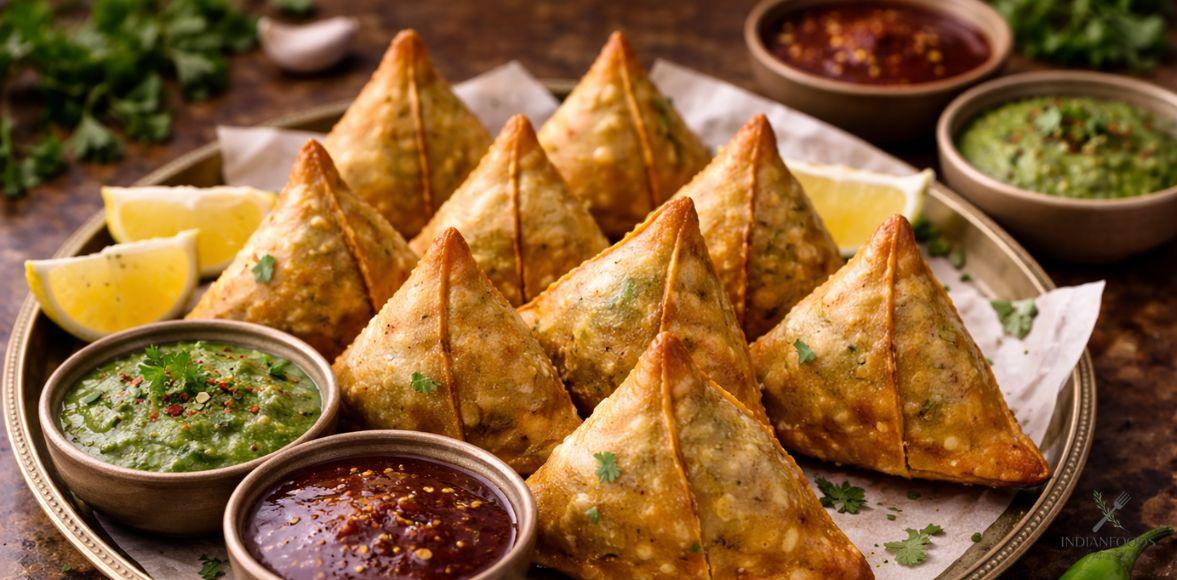
Samosa Recipe
Ingredients
For the Outer Dough
- 2 cups all-purpose flour maida
- ¼ cup oil or ghee
- Salt to taste
- Water as required
For the Potato Filling
- Mashed potatoes 3-4 medium potatoes cooked and mashed.
- ½ cup green peas boiled
- 1 tbsp oil
- 1 tsp cumin seeds
- 1 tsp ginger paste
- 1-2 finely chopped green chillies.
- 1 tsp coriander powder
- ½ tsp garam masala
- ½ tsp red chilli powder
- ½ tsp turmeric powder
- Salt to taste
- Leaves of fresh coriander chopped.
- Oil for deep frying
Instructions
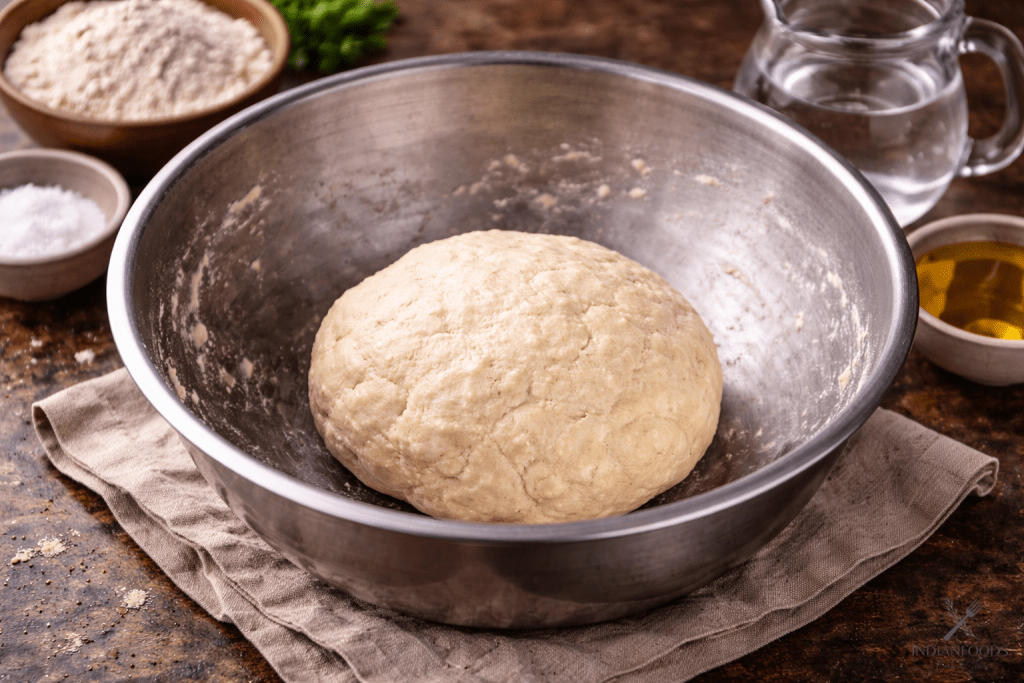
- Combine flour and salt. Rub oil until the mixture crumbles. Add water slowly until a stiff dough is formed. Place the dough under a lid and allow it to rest after 30 minutes.
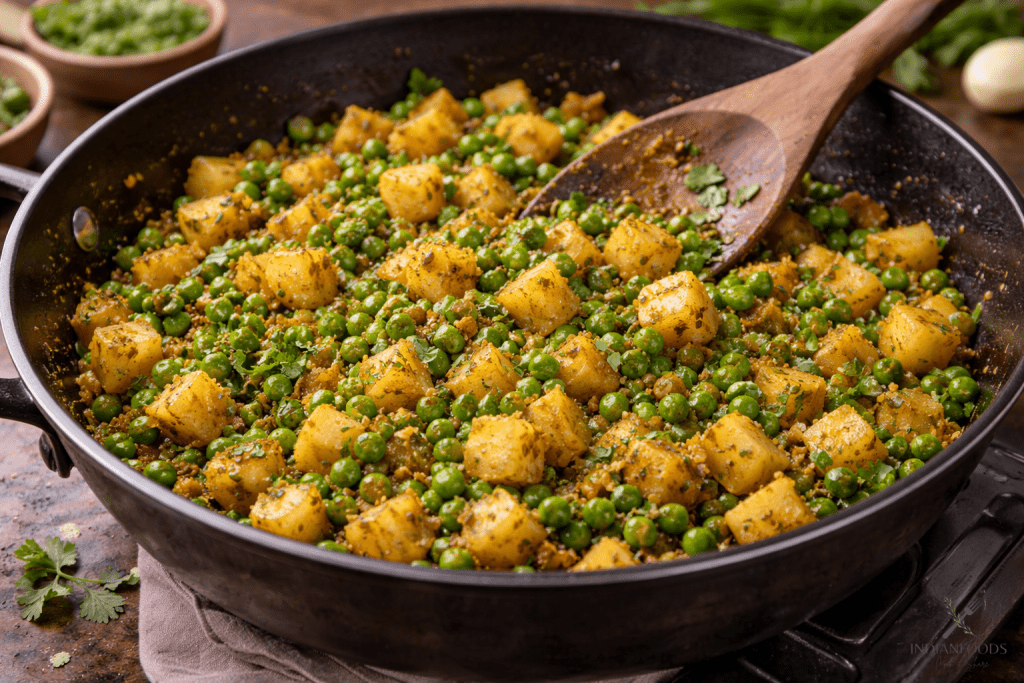
- Heat oil in a pan. Add cumin seeds, ginger-chilli paste and spices. Mix in the potatoes and peas. Bake for a few minutes and then add coriander and allow the mixture to cool down.
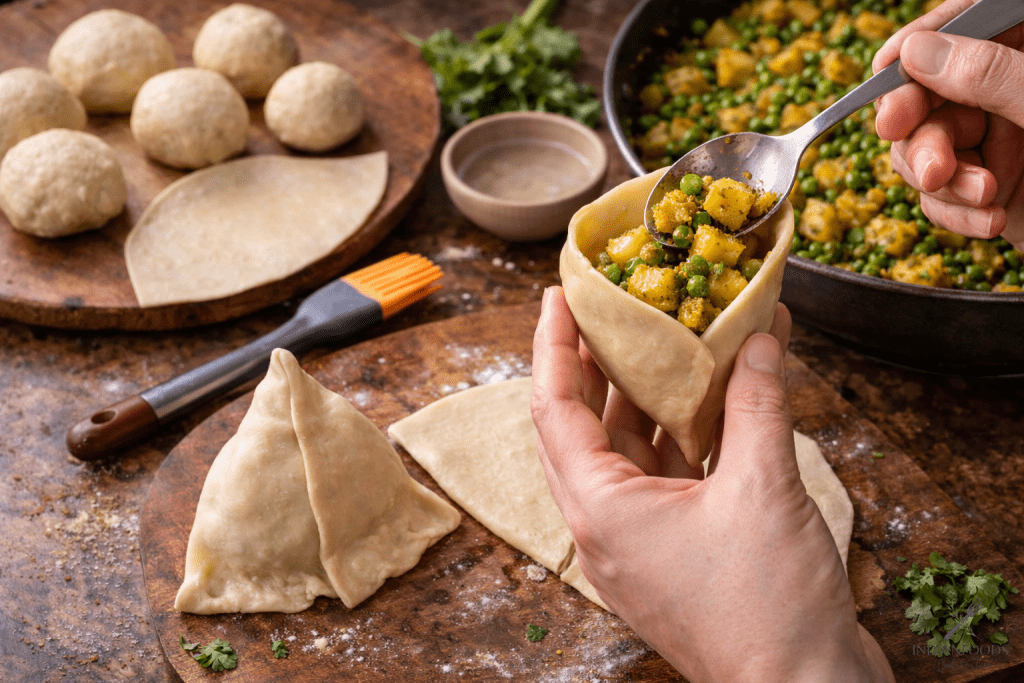
- Divide the dough. Roll it into balls and divide them in half. Mould each half into a cone, put in the potato mixture and tightly close the edges with water.
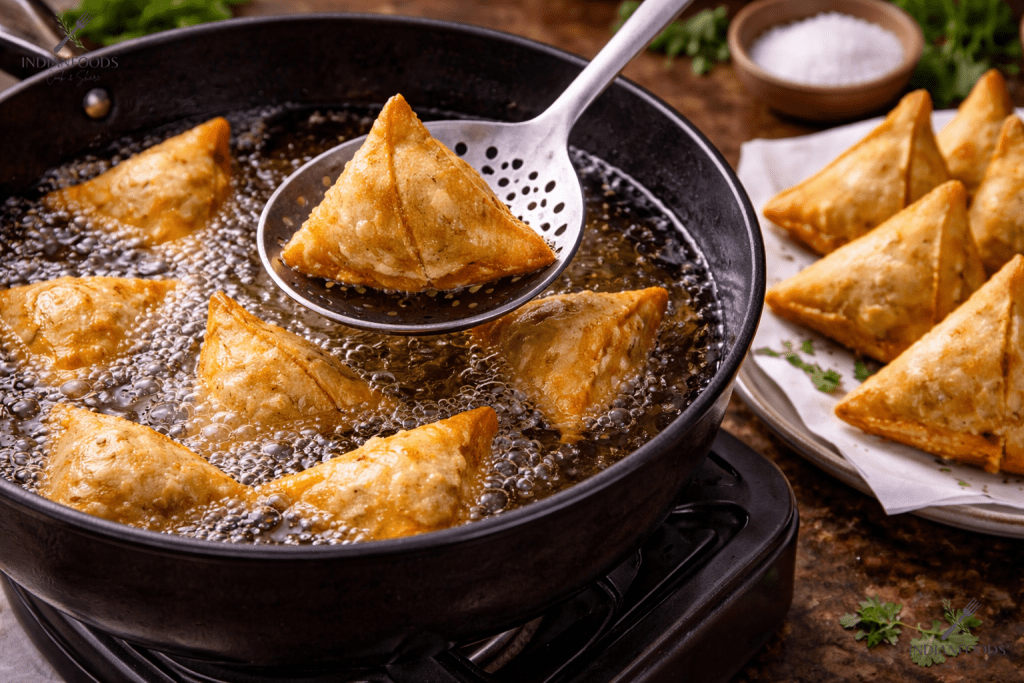
- Fry the samosas using low to medium heat. Flip them every now and then up to the point of them being golden brown and crisp. Drain on paper towels.
Notes
- Fry on low to medium heat for a crispy texture.
- Please make sure filling is completely cool before stuffing.
- Seal edges properly to prevent opening while frying.
Crispy Samosa Tips
- Dough should be firm, not soft
- Fry on low heat always, to become crisp.
- The filling is to be completely dry.
- Close the seal in order to prevent leakage.
- Do not overcrowd the pan
Variations of Samosa
- Paneer Samosa: Stuffed with spiced paneer, as opposed to potatoes.
- Vegetable Samosa: Combine vegetables such as beans and carrots.
- Keema Samosa: Stuffed with minced meat
- Mini Samosa: Small bite-sized version
- Baked or Air-Fried Samosa: A healthy version of deep-frying.
Serving Suggestions
- Samosa has a sweet taste, and it grows better when accompanied with:
- Green chutney
- Tamarind chutney
- Masala chai
- Chole (served with samosa chaat)
It may be taken as a snack, starter or even party food.
Storage and Make-Ahead Tips
- Samosas, which are not fried, can be refrigerated or frozen.
- Pre-frying before serving is good.
- The samosas can be fried in an oven or air fryer.
- Avoid microwaving
Health Perspective
Samosa is a fried snack and is to be taken in moderation. Nevertheless, homemade samosas are healthier than store bought samosas due to the following reasons: – It has control over the quality of oil used – It uses fresh ingredients – It does not contain any preservatives.
They can be made lighter by baking or air frying them.
Common Mistakes to Avoid
- Using soft dough
- Frying on high heat
- Watery filling
- Poor sealing
Popularity of Samosa in India
Samosa enjoys a homey flavor, crispness and a variety. It is appropriate in any age group, and event hence it will always remain a staple in Indian cuisine.
Its mixture of spices, potatoes, and crispy pastry make the snack that can never disappoint.
Conclusion
Samosa is an ancient Indian snack that is a perfect combination of crunch, spice, and comfort. Since its time on street stalls and home kitchens, it remains a generations favorite.
Homemade samosas will enable you to have this classic snack with fresh ingredients and with the spiciness that you like. After some trial and error, you will be able to make well-cooked crispy samosas that are just as good to taste as those offered by that vendor that you like best.
After learning this homemade samosa recipe, this would definitely be one of the regular snacks on your menu and each bite would be a pleasuring experience.
Related Recipes
FAQs
They can be softened by frying them at high temperatures. Always fry on medium-low heat.
Yes, bake at 180o C till golden, but it will be somewhat different in texture.
Yes, it is possible to keep the filling in the fridge not more than 1 day.
Put water on the edges and squeeze the edges down.
Yes, freeze uncooked samosas and fry them directly when you need them.