
Everyone enjoys the delicious dessert known as Besan ke ladoo. Popular throughout India, these mouthwatering, delectable laddus are an essential for Indian festivals, weddings, and other important occasions.
Relish these aromatic, homemade Besan Ke Ladoos with your loved ones during the festive season. You can easily prepare Besan Ke Ladoo at home with our simple recipe.
About Besan Ke Ladoo
Gram flour laddus, or besan ke ladoo, are one of the most popular traditional Indian desserts. They are rich, fragrant, and incredibly filling.
Traditionally, these golden, circular Besan Ke Ladoo are baked with sugar, ghee (clarified butter), and besan (gram flour). They are frequently scented with cardamom and topped with cashews or almonds.
Their warm, nutty scent and soft, somewhat gritty texture make them tempting.
Why are Besan Ke Ladoo so famous in India?
More than just a delicious Indian sweet, besan ke ladoos recipe is a representation of India’s diverse culinary culture. These golden, mouthwatering besan ladoos have been a staple in Indian families for years and are adored throughout the nation. They are made with basic ingredients like sugar, ghee, gram flour (besan), and a touch of cardamom, and they are the ideal combination of flavor and history.
Their adaptability is what really sets Besan Ke Ladoo apart; they add coziness, happiness, and unity to every occasion, be it an Indian festival sweet, a wedding celebration dessert, or a family get-together sweet. In addition to being delicious, these healthy besan ladoos are surprisingly nutritious.
Ghee besan ladoo gives you energy, nuts give you a delicious crunch, and gram flour is full of protein. Besan Ke Ladoo is a beloved Indian sweet recipe that appeals to people of all ages year after year because of its rich flavor, smooth texture, and nutty scent.
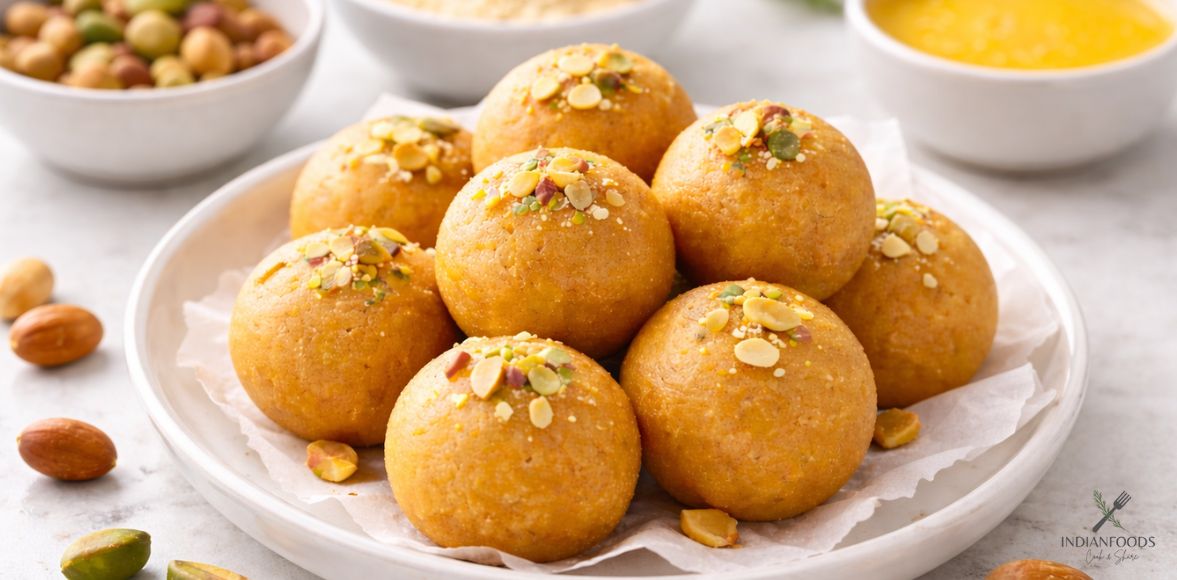
Besan Ke Ladoo (Traditional Indian Sweet)
Ingredients
- 2 cups gram flour (besan)
- 1 cup ghee (clarified butter)
- 1 cup white sugar (according to taste or sweetness)
- 2 tbsp cashews or pistachios (optional)
- 1 tbsp finely chopped cashews
- 4 cardamom pods, powdered
Instructions
- Heat 2 cups of gram flour and 1/2 cup of ghee in a big pan.
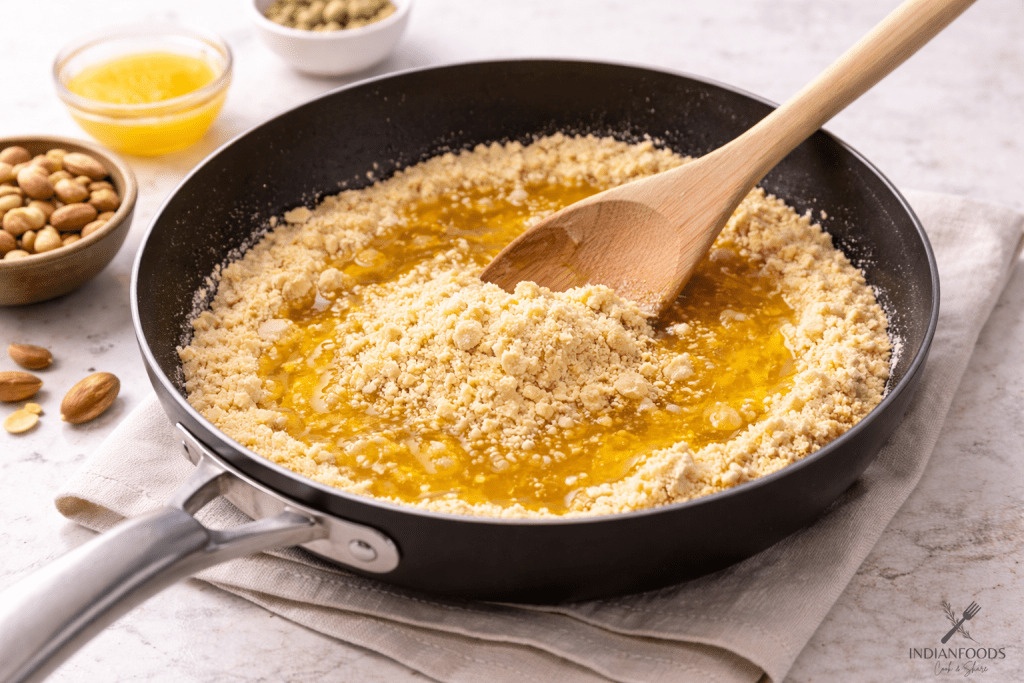
- Mix the ghee and gram flour thoroughly over low heat. A grainy texture can be achieved by using coarse gram flour.
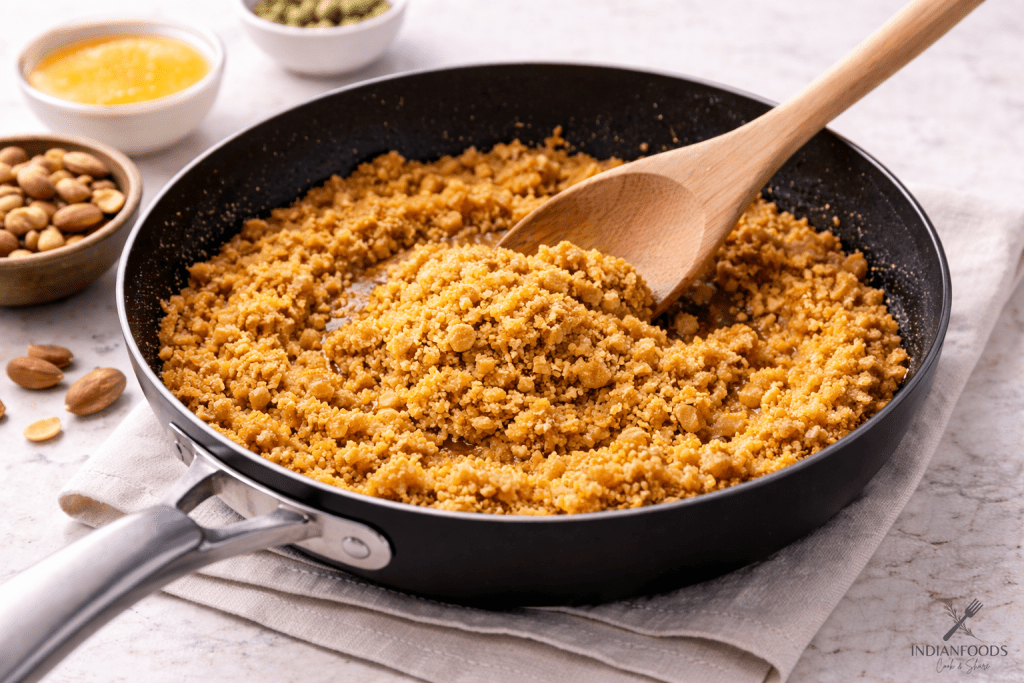
- Continue to cook over low heat. Put in an additional tablespoon of ghee if it's dry.
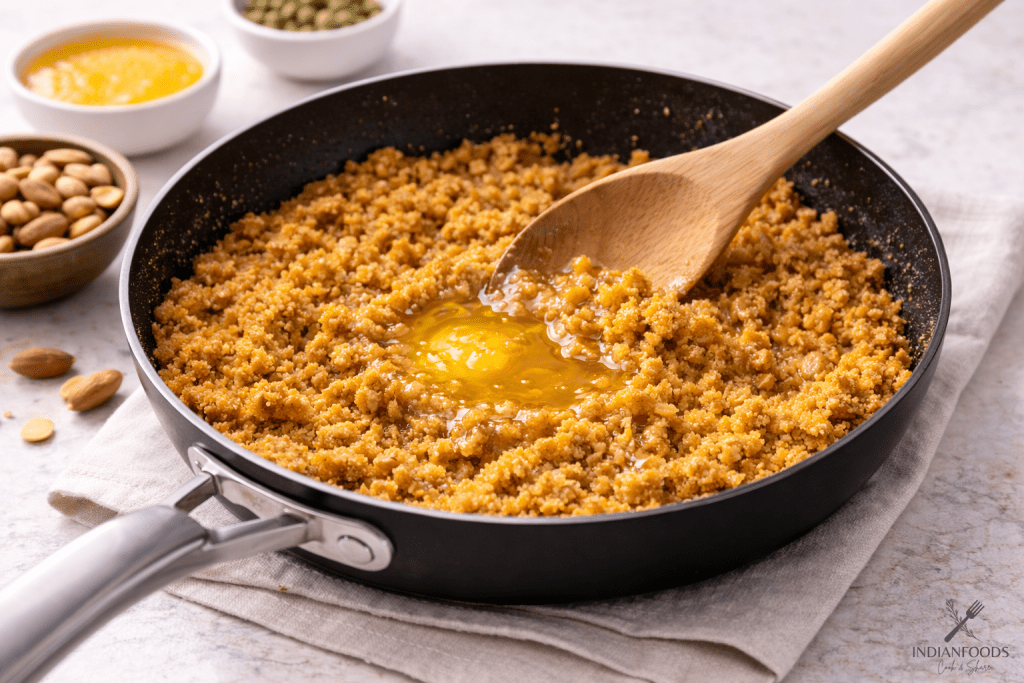
- The ghee begins to emerge from the gram flour after roughly 20 minutes. Fry for approximately half an hour, or until golden brown and fragrant.
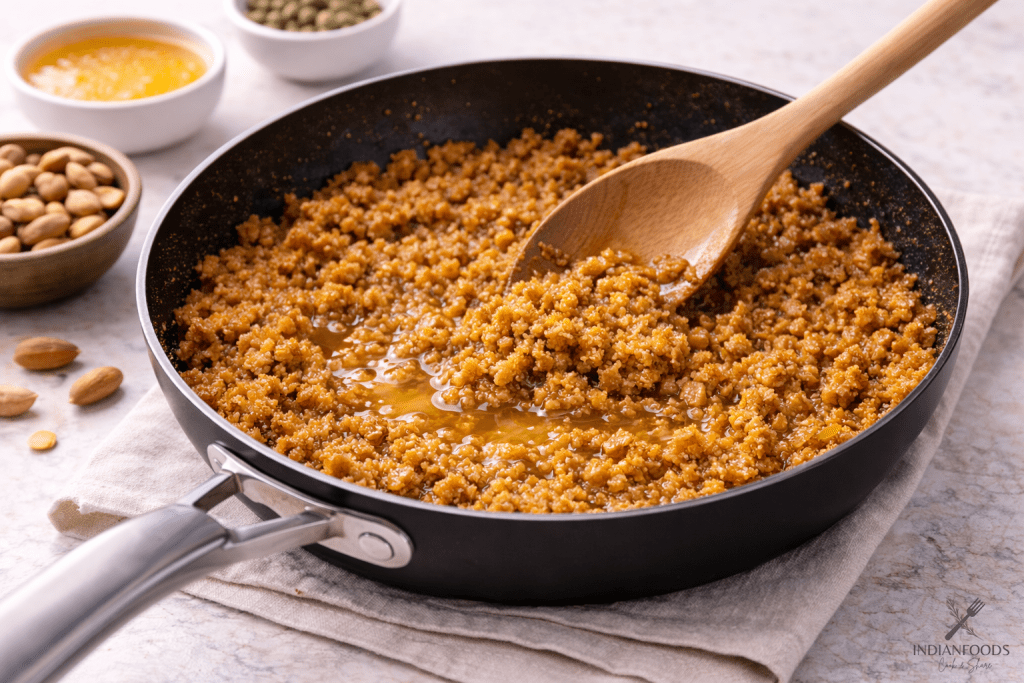
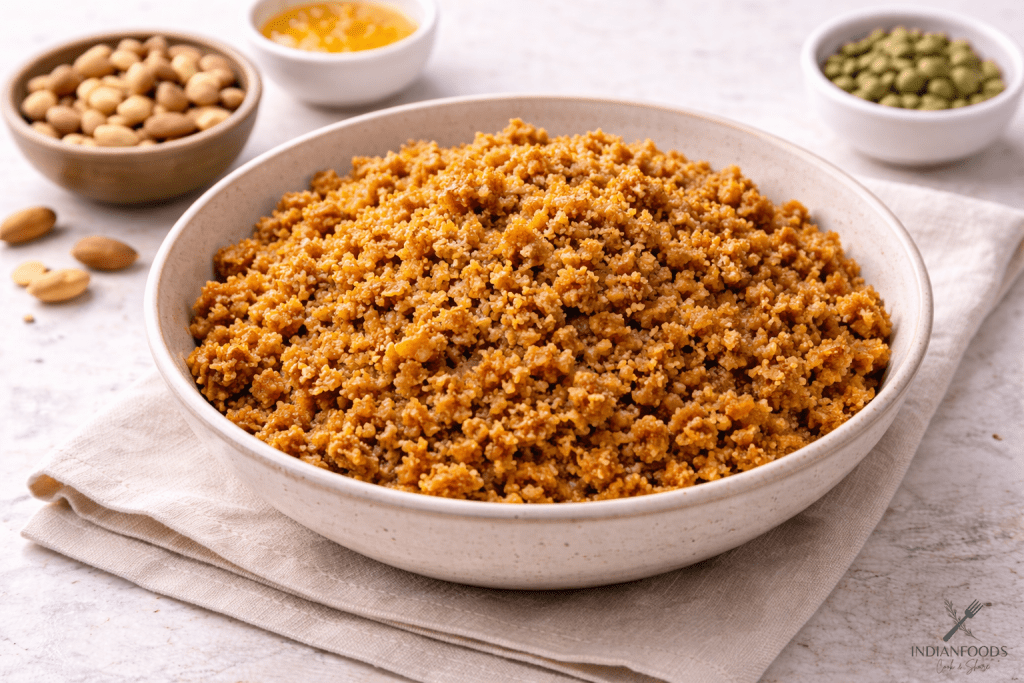
- After moving the mixture to a sizable bowl, let it cool slightly.
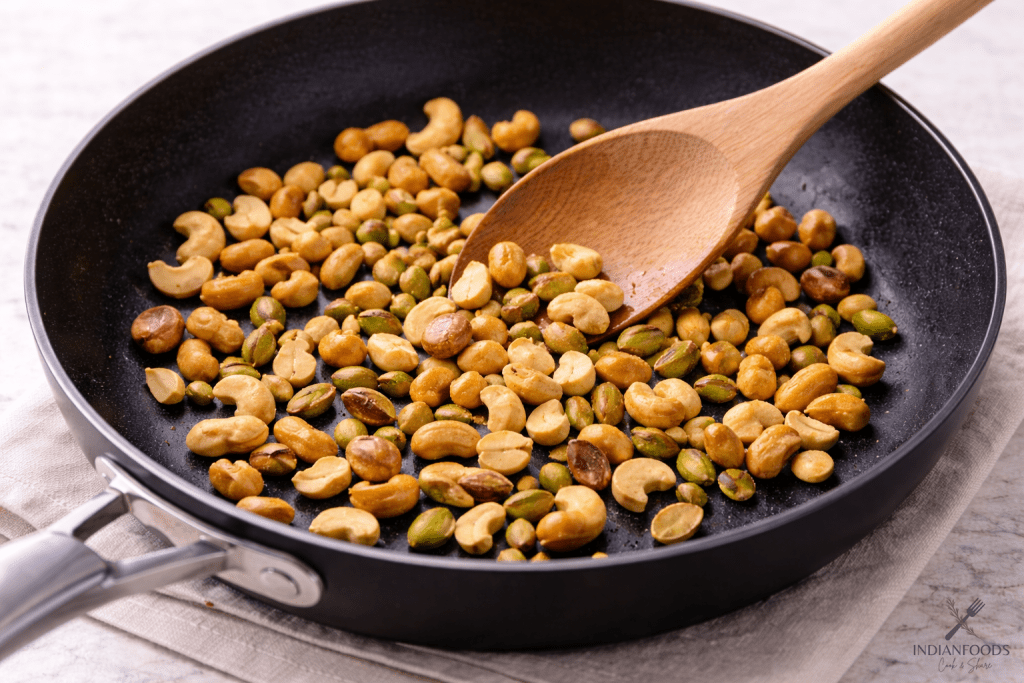
- Dry roast two teaspoons of cashews or pistachios until they are crispy.
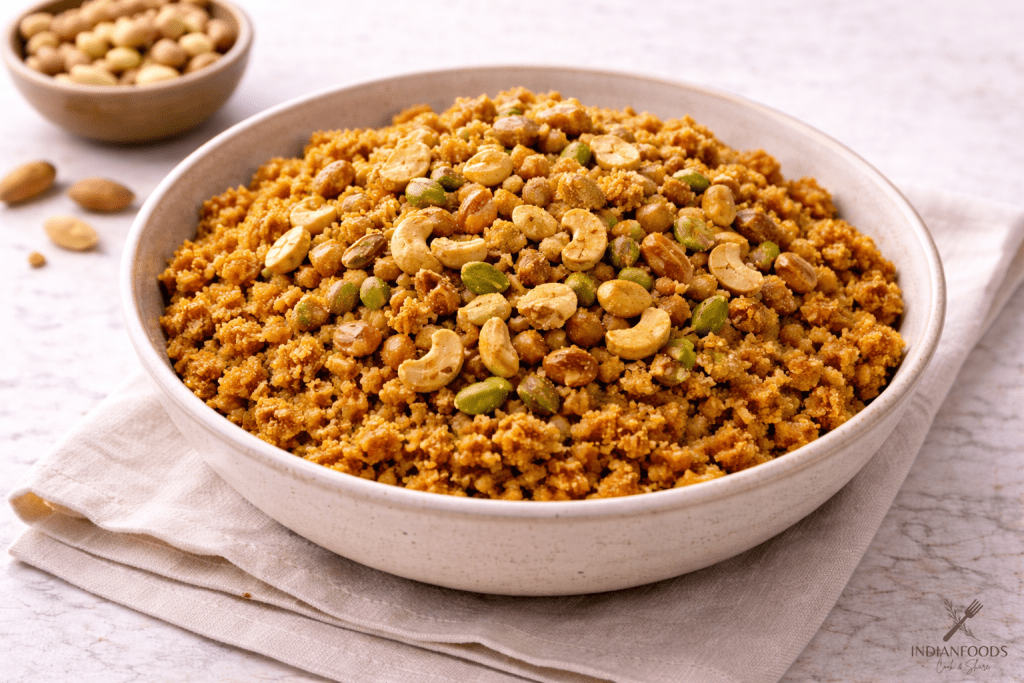
- To the combination of toasted gram flour, add the roasted nuts.
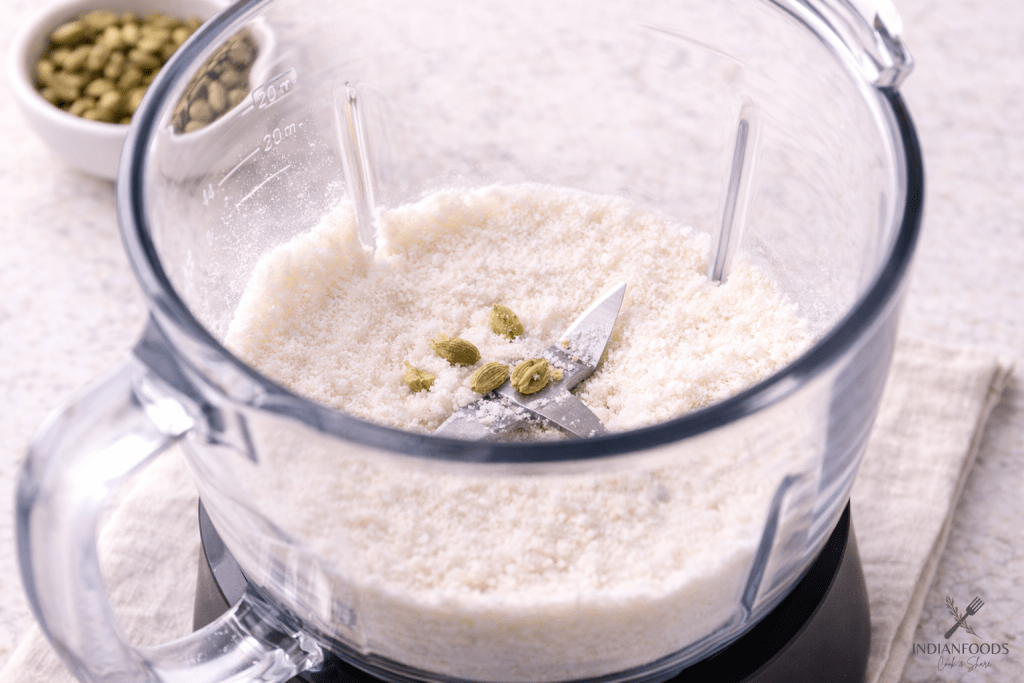
- 4 cardamom pods and 1 cup sugar should be blended into a fine powder.
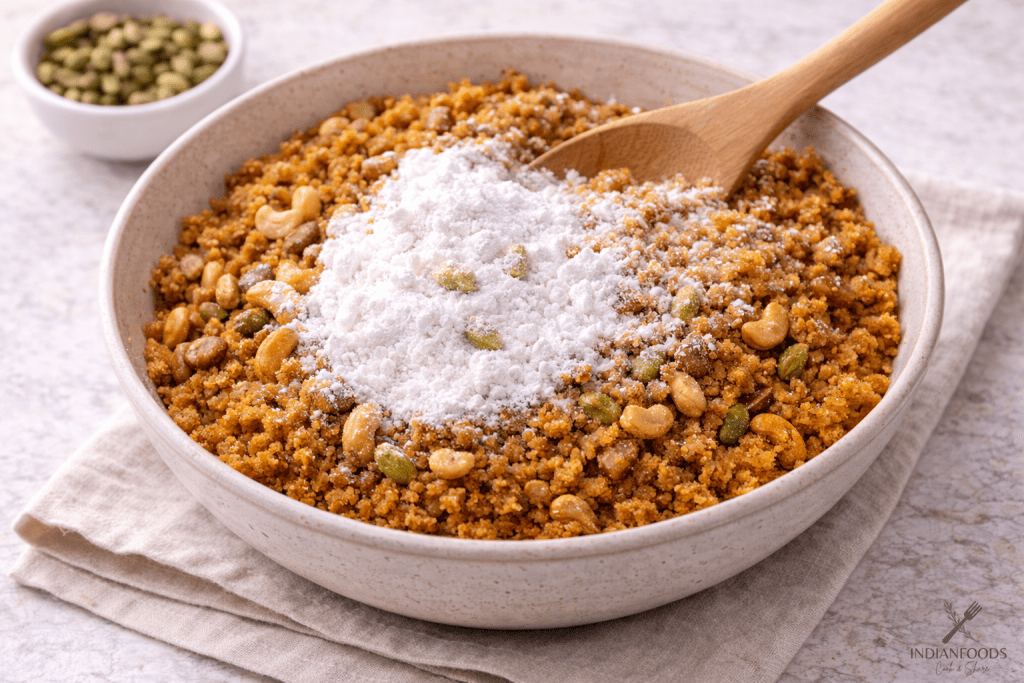
- After the gram flour has warmed up a little, stir in the powdered sugar. Don't put sugar on too hot food.
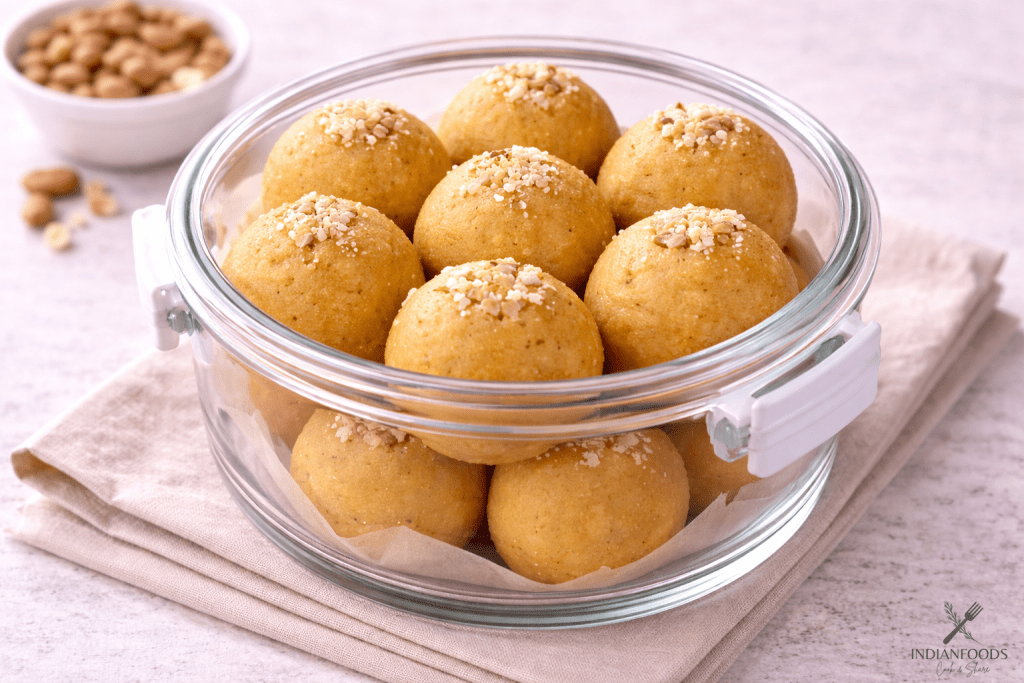
- For up to two weeks, store in an airtight container after shaping into round laddus.
Special Tips to Make Besan Ke Ladoo
- Authentic, gritty laddus can be made by using coarse gram flour.
- For added crunch, you can add any kind of nuts.
- Homemade ghee has a longer shelf life and tastes better.
- The ideal Besan laddu recipe calls for patiently roasting the flour until it is fragrant and golden brown.
Conclusion
Golden bites of tradition, affection, and festivity, besan ke ladoo are more than just desserts. They add a wonderful scent and warmth to homes, and they are made with basic components like sugar, ghee, and besan. Indian festivals, weddings, and family get-togethers have all included them in happy festivities for many years.
Because of their rich, nutty flavor and soft, melt-in-your-mouth texture, they are simply tempting. Besan Ke Ladoo is a simple, homemade dish that unites family, celebration, and the unadulterated sense of joy in every bite.
FAQs
Store in a tightly sealed airtight container and enjoy within 2–3 weeks for best freshness.
Cardamom, sugar, ghee, and gram flour.
They offer nutrients and energy from almonds and gram flour when consumed in moderation
Yes, but use jaggery or dates as a substitute of sugar.
It is served during festivals, weddings, and other special events in India.