
In Indian families, puri is not reckoned as a food item; it’s an emotion-a company for festivities, the warmth of family time, and solace during leisurely weekend meals. It could be festivals, pujas, marriages, or even Sunday morning breakfast-their appeal on our plates remains timeless. Growing up, we’d always be seen near the stove, staring at the first batch of puffed golden puris rise in hot oil.
Puri is crispy on the outside, soft on the inside, and so rewarding. It sends off the meal quite well, whether it be sweet halwa or kheer, spicy potato sabzi, or chole. With only a few ingredients, this Indian traditional bread is actually quite effortless to make, each time providing a rich, celebratory taste.
What is Puri
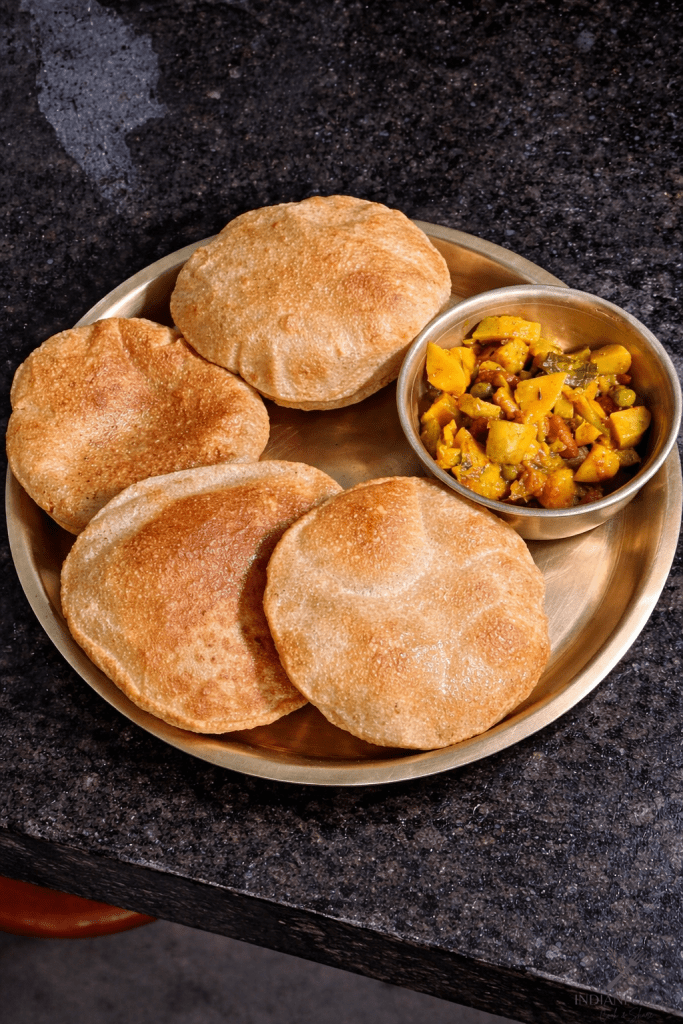
Puri is a true Indian bread that is different to other Indian breads like Chapati/Roti because it is cooked using oil/ghee, hence able to puff up, hence making it light inside with a crunchy surface. It is exactly this characteristic that makes it indulge-worthy. Preparation of puri takes an additional frying process, hence is more time consuming.
Puri is made in various ways across different parts of India. In North India, puri is served with aloo sabzi or chole while in eastern regions of India, puri is served with chana curry or desserts. In South India, poori is served with potato masala. The character does not change but is the same in all versions—a simple, hearty, and joyous food. Puri is made differently in various regions of India; however, it is a crucial breakfast food item in North India.
Why Puri is So Popular in Indian Cuisine
Puri is also liked for its flexibility. Puri can be enjoyed on both veg as well as sweet dishes. Therefore, it is suitable to be consumed either during breakfast, lunch, or dinner. Puri has also been an important part of our traditions. It is made during some religious events, like festivals, as an offering.
Puri itself represents festivals and plenty of reasons for its golden hue, crunchy texture, and mouthfeel. Even when a dish of common vegetables is made with it, it gives such a rich flavor that it somehow details the very Indian cuisine in all its entirety.
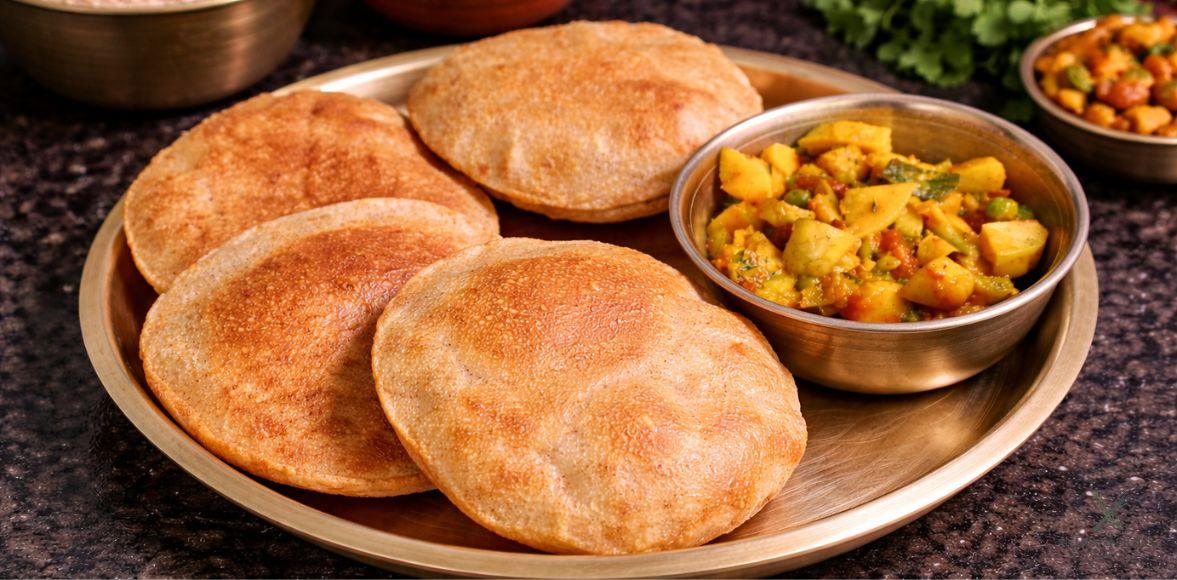
Puri Recipe
Ingredients
- 2 cups atta (whole wheat flour)
- ½ tbsp salt (optional)
- 1 tbsp ghee/oil (for dough)
- Water (for kneading the dough)
- Oil or ghee for deep frying
Instructions
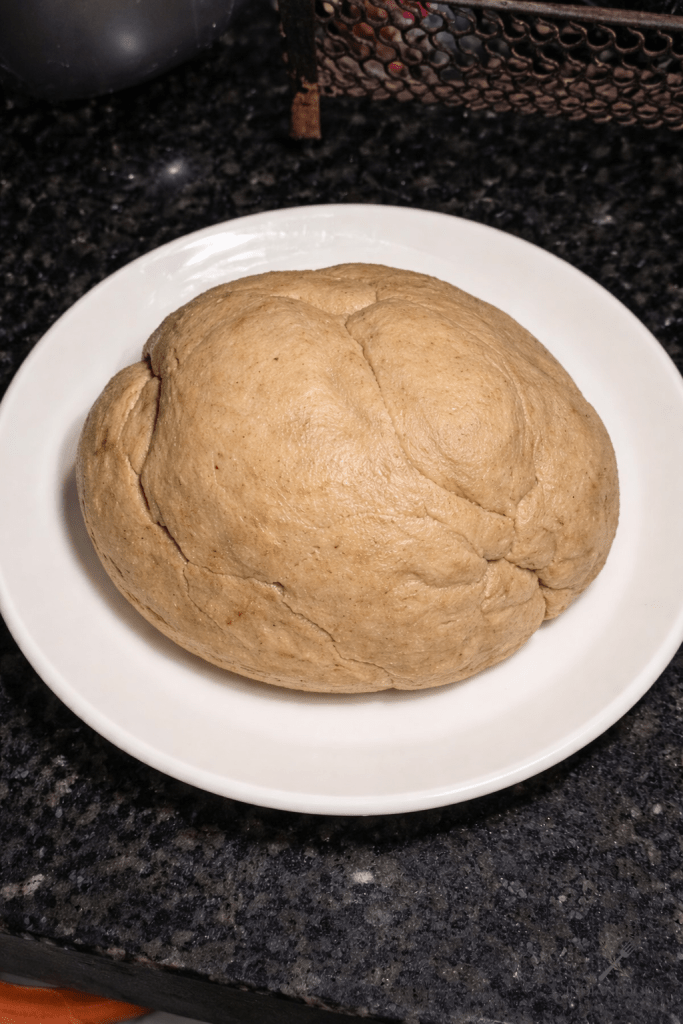
- Combine and mix one cup whole wheat flour and salt in a bowl. Add one teaspoon of oil or ghee to it and mix well by using your fingertips. Add water to it and knead to form a hard dough. The dough should be hard and not soft like that for preparing rotis. Rest it for 15 to 20 minutes.
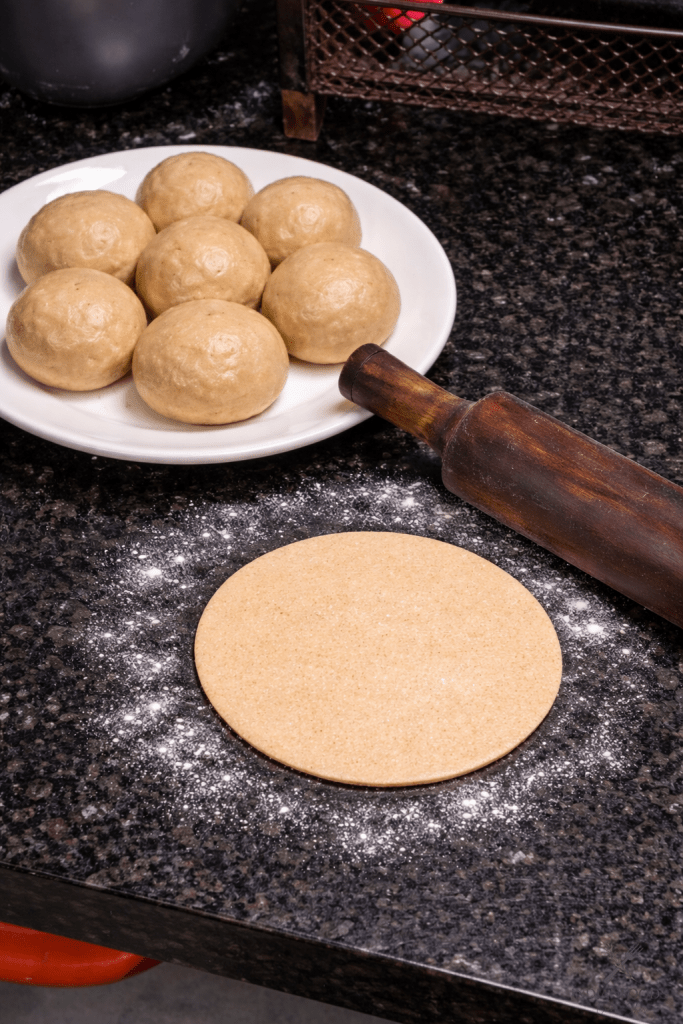
- Roll the Puris by cutting the dough into smaller pieces like lemon sized balls and roll these balls in your palms making them smooth. Using a rolling pin, roll these balls into a small circle, approximately 3, 4 inches in diameter. Keep these puris equally rolled, neither too thin nor too thick.
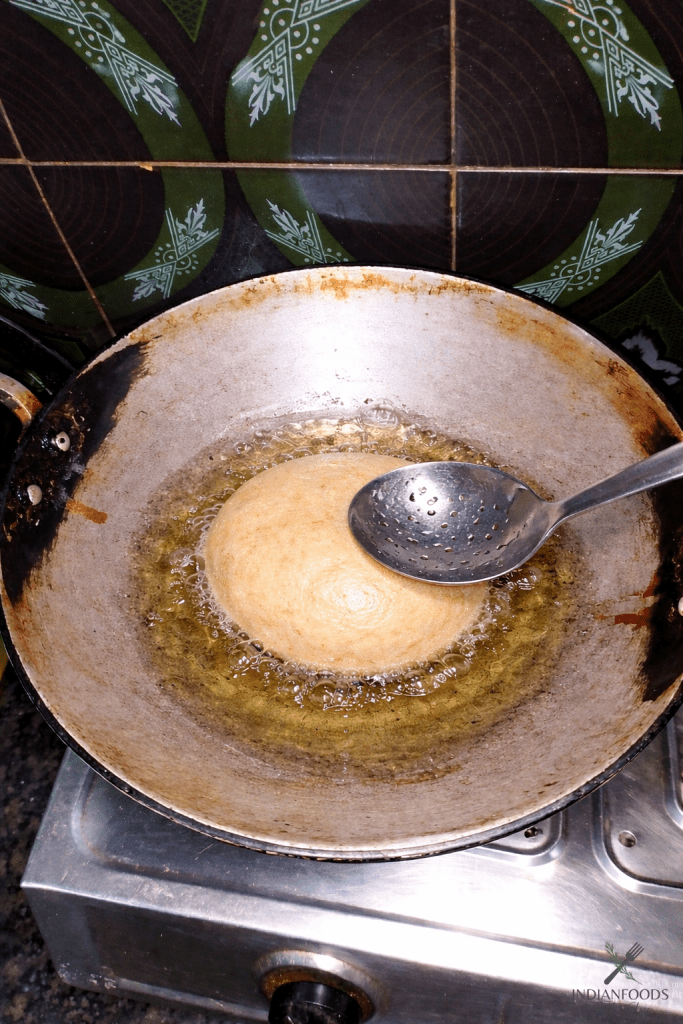
- Put oil or ghee in a deep bottom pan on medium-high heat. Once hot enough, spoon the oil inside a single, soft puri. Tap the puri a bit with a slotted spoon, to make it puff up. Fry until the puri is puffed and it is golden on both sides and cooked through. Remove and drain on a paper towel.
- Now serve the puris with your favorite side dish and carry out the process again for other puris.
Notes
- The dough should be firm, not soft like roti dough.
- Oil must be hot before frying to ensure proper puffing.
- Do not overcrowd the pan while frying.
Tips for making perfect Puri
Knead hard dough; soft dough will not allow the puris to puff up
- The oil should be hot but not smoking before frying
- Roll puris evenly for uniform puffing
- Should not crowd the pan when frying.
- Cook on medium temperature to achieve the best texture.
Common Mistakes to Avoid
First-time cooks might have encountered some issues like puris not puffing up or becoming oily. These issues have generally arisen from soft dough, an inadequate temperature of oil, or rolling it unevenly. Even the smallest factor might result in a major difference in the final product.
Variants of Puri
The most popular one is the classic wheat puris, followed by various variants based on regions and occasions:
- Ajwain Puri – This is made with carom seeds that help in digestion.
- Masala Puri – The dough is spiced with cumin and chilli powder.
- Suji Puri – Crisp puris made with semolina.
- Palak Puri – Green puris prepared in the Spinach Puree.
- Methi Puri – Prepared using fresh Methi leaves.
These modifications help create variations and variety while retaining the essence of puri.
Serving Suggestions
Puri is very versatile. It can be had along with a variety of foods. Some of them are:
- Aloo sabzi or potato curry
- Chole or kala chana Curry
- Sooji halwa (Classic festival recipe)
- Kheer or sweetened yogurt Veggie Kurma or paneer curry
In special dining occasions, puri can be a component in a full thali experience, so the spread looks more complete.
Is Puri Healthy?
Puri is a fried food and therefore a good practice is taking it moderately. Even though puri is a whole-wheat flour-based food that is a source of energy, it is an unhealthy substance since its fried characteristics render it an unwelcome ingredient to daily meals. One can act against the ill effects of puri by serving alongside protein or vegetable-based foods.
Significance of Puri in Culture
Puri is also made on occasions like religious ceremonies and festivals such as Navratri, Diwali, and special puja ceremonies. The reason for choosing these is that it is considered to be auspicious and is taken as prasad. Making puris is a family affair for many people.
Conclusion
Puri is an Indian bread which is ageless, consisting of the elements of simplicity and celebration. The puri is prepared using simple ingredients and home-style methods. It gives one a fulfilling rich experience that is difficult to resist. Puri can transform any meal into a party, whether it is done with spicy curries or sweet halwa.
Puri is not just a food, which takes a few minutes to prepare, but it is all about the tradition being kept alive, the merry making and a memory made across the dining table. Anytime, in your own kitchen you can indulge in perfect puffed puri in a four-step easy recipe.
FAQs
Puris do not puff because of several reasons like the dough is too soft, oil is not hot enough and the puris can be rolled out lumpy. The ingredient of a beautiful puff is properly heated oil and a good dough.
Dough can definitely be made ahead of time but not more than a few hours. Keep it covered at room temperature. It is better not to chill the dough as cold dough may not puff.
They both are fine, but ghee is far tastier and the taste or flavor of the puris prepared using it is more like the traditional one. Oil is available in normal cooking and ghee is taken during special occasions or meals.
As a rough estimate, 34 puris per person are enough for one serving with curry or sabzi. A festive meal, however, usually sees people indulging in a little more.
Puri is fried in oil and as such, it is always better to have them occasionally.