
Coconut modak recipe occupies a special place in Indian festive baking. It is the most sacred of all the dishes to honour Lord Ganesha during the colourful Ganesh Chaturthi celebration. This festive delicacy is different from all the heavy, deep-fried snacks that are offered on this occasion.
Here, the outer shell is tender and delicate, while the inner sweetness is very intense and aromatic. With fresh grated coconut and mineral-rich jaggery. Whether you are simply carrying on with a family tradition of making sweet dumplings. It will fill your home with joy and real heartfelt warmth.
This detailed recipe book includes the precise amounts of water and flour needed to create a crack-free outer dough. The secret to cooking coconut without drying it out. And how to shape it into the perfect form through both traditional hand-pleating and modern molds.
About Coconut Modak Recipe
The recipe for coconut modak consists of two parts that need to be prepared carefully and synchronously. The “Ukad” or outer casing is made up of fine rice flour, which is steamed in boiling water. Then kneaded into a smooth, elastic sheet of flour.
The ‘Saran’ or core filling is a slow-cooked concoction of juicy coconut shreds, grated jaggery, poppy seeds and chopped nuts. It is cooked until the sugars reach their melting temperature, giving the filling a sticky, fragrant texture.
The main attraction of festive platters all across Maharashtra and South India is generally in auspicious arrangements of 11 or 21 pieces. Like a classic kalakand recipe, it is based on the natural reduction of milk solids.
It uses a slow cooking technique to increase the concentration of sugars without caramelising the base. The final steaming process brings the rich, warm vapours of the inner mixture of coconut and jaggery into the outer rice shell. Tying them together to create a whole masterpiece.
What is So Special About Coconut Modak
During the autumn festival, the coconut modak is of legendary value as it merges with a spiritual sense. The immense satisfaction of its taste is unique, with a clean, light and comforting sweetness. It is steamed rather than fried in heavy oils, making it a perfect balance to other rich holiday delights.
It’s an integral part of many festive menus when creating a full royal feast for family and guests. Along with a creamy, sweet bowl of Makhane ki kheer. The recipe is also very flexible. You can go the traditional route with steamed milk or use milk powder and condensed milk.
To make an unsteamed, instant mawa-coconut version in less than 15 minutes. The pleasure of unrolling a beautifully made, pleated modak. And watching it glitter under a delicate coat of warm ghee is one of the festive memories that millions savour.
Recipe Card
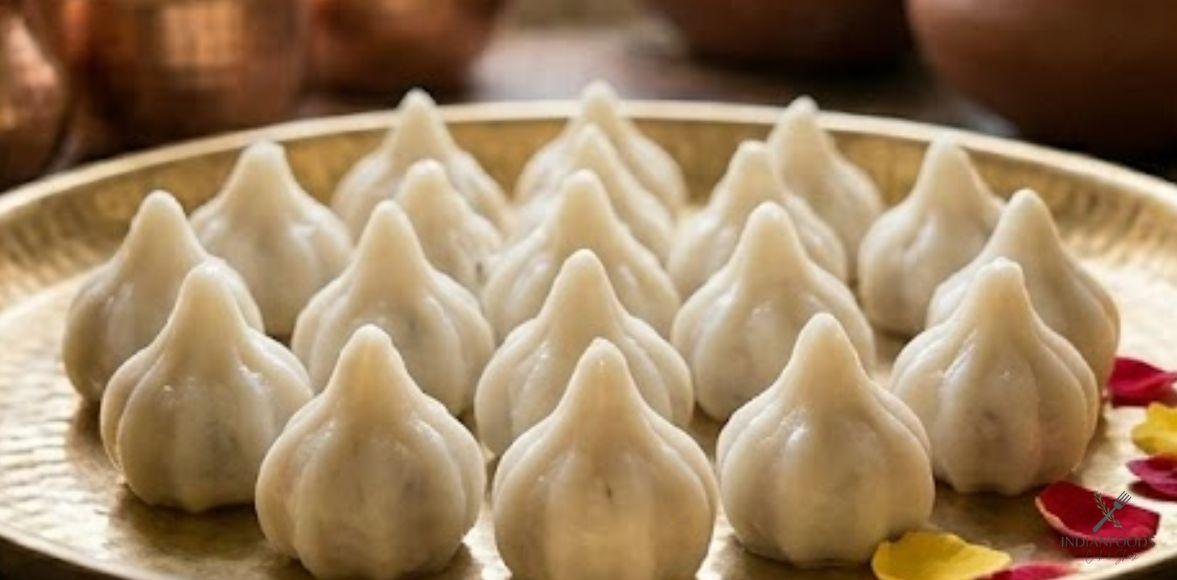
Coconut Modak Recipe
Ingredients
- 1 cup Rice flour Preferably Modak special rice flour
- 1 Cup Water
- 1 tsp Lard and oil clarified butter
- ¼ tsp Salt
For the Sweet Coconut Filling:
- 1.5 Cups Freshly grated coconut
- 1 Cup Grated jaggery
- 1 tsp of Poppy seeds khus khus
- ½ tsp Green cardamom powder
- 1 tbsp Chopped nut mixture cashews and almonds
Instructions
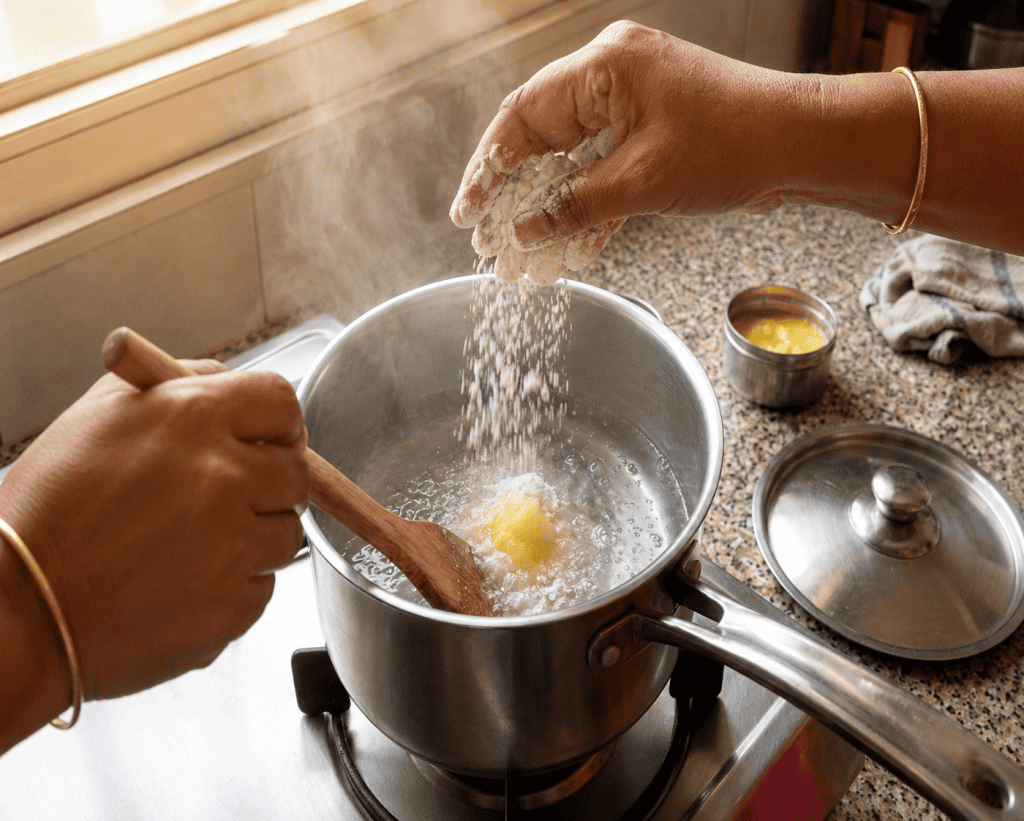
- In a deep saucepan, heat one cup of water until it boils, add the ghee and salt, lower the heat, add the rice flour quickly with constant stirring until all of the water is absorbed, cover with a tight-fitting lid and steam for 10 minutes.
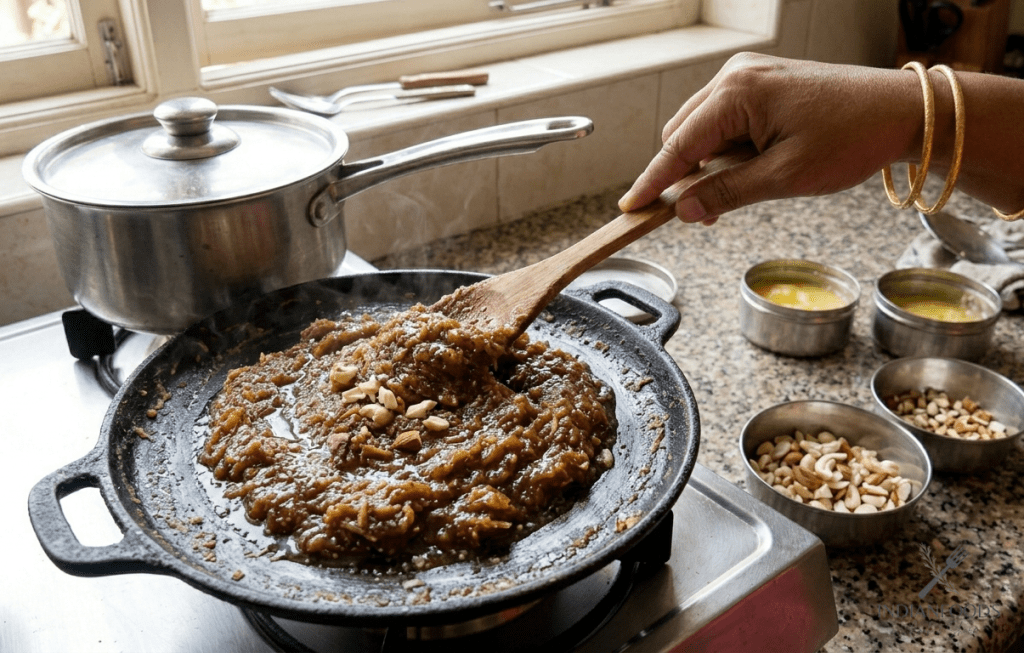
- In this step, the dough is rested while the poppy seeds are roasted in a separate pan for 1 minute. The freshly grated coconut & grated jaggery are roasted for 5-7 minutes, until the jaggery melts and turns into a sticky, thick filling, after which the cardamom powder and the nuts are added.
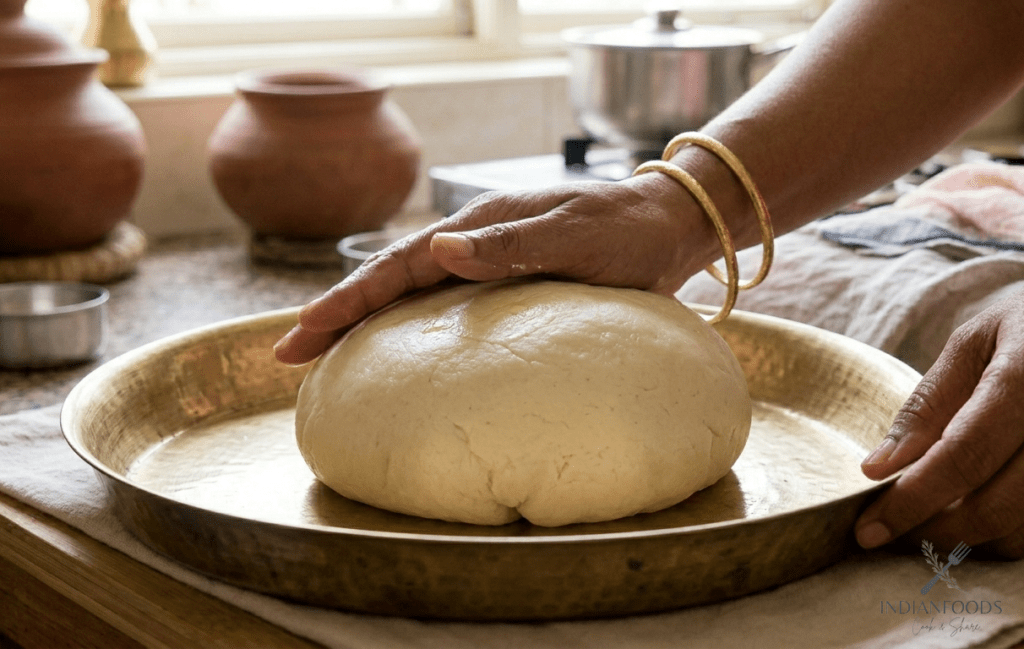
- Transfer the warm rice dough to a large platter, moisten hands with water/ghee and knead thoroughly for 5 minutes to get a smooth, completely pliable, crack-free rice ball.
- Fill the modak mould with a little bit of the smooth rice dough, smooth it out with your hands and press it against the sides so that a hollow is formed, and then fill in this hollow with a little bit of the cooled coconut mixture.
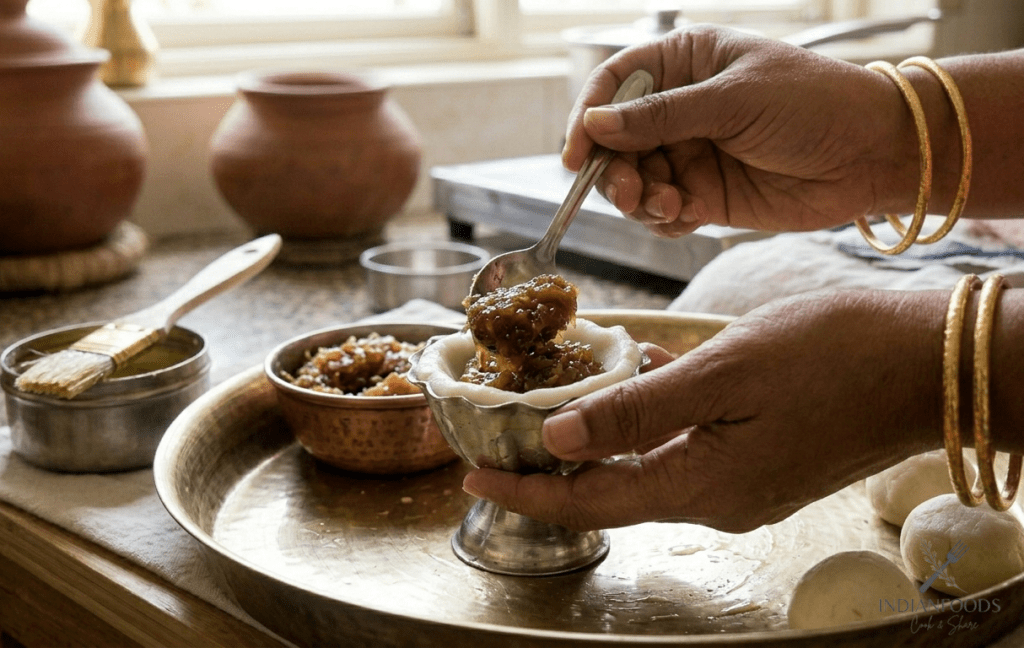
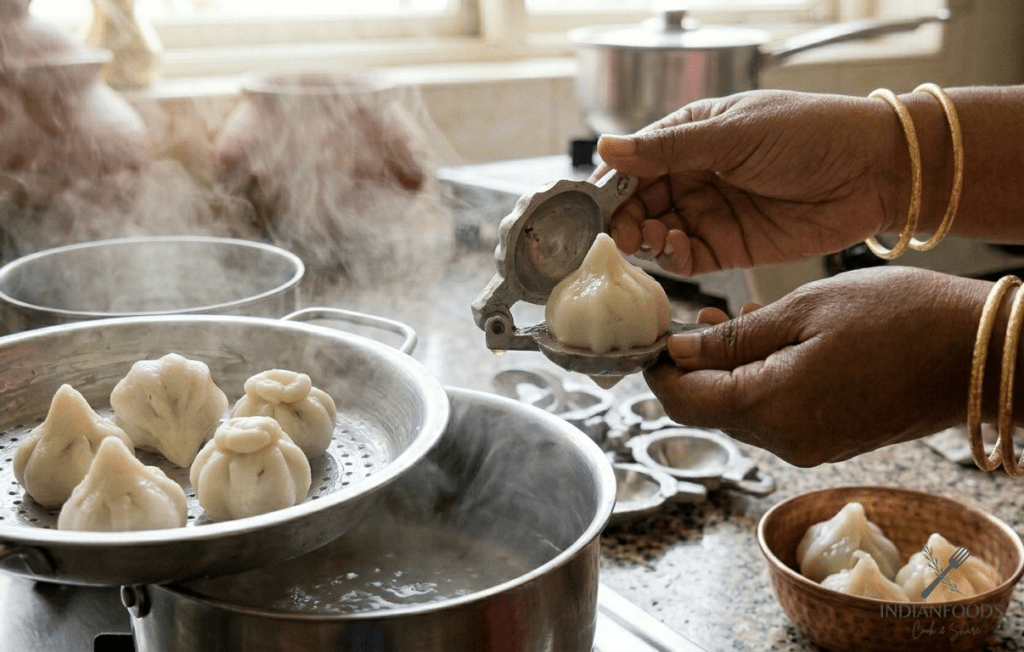
- Cover the bottom base of the mould with a small amount of excess rice dough, open the mould slowly to take out the shaped modak, and repeat step 5 for the remaining rice dough; then steam all the modak for 10-12 minutes.
Notes
- Follow the exact proportions of water to flour as written on the package for Rice Dough, as this will prevent the casing from drying out or becoming mushy.
- Turn off the stove when the mixture is still runny, as overcooked filling will harden when it cools down and be impossible to chew.
- Do not stack the modaks in the steaming basket so they may stick and tear apart because the pleats are so delicate.
Coconut Modak vs Coconut Ladoo – Which One to Have
You may find yourself having to make a choice between this and a normal round of coconut when making your festive dessert menu. The following is a comparison of them:
- Structural Layers: Modak has a two-sided texture. The outer is made of rice flour and the inner of sweet stuff. While a Coconut ladoo recipe calls for only a single, uniform texture, which is sweet stuff rolled into spheres.
- The Cooking Technique: Modaks are shaped intricately and gently cooked in a pan through steam, while coconut ladoos are fully cooked in a pan with condensed milk or sugar syrup before shaping.
- Moisture Content: The filling inside a modak is kept moist and saucy, thanks to the steam that is trapped inside, and a coconut ladoo is cooked for a longer period of time to ensure that it’s not as moist and consequently doesn’t lose its shape over time.
- Shelf Life: Ladoos can be safely stored at room temperature for a maximum of 1 week, and fresh steamed modaks have high moisture content and should be consumed within 24 hours after preparation.
The Perfect Coconut Modak Tips
- Always use super-fine, aged rice flour to make the dough casing; coarse flour will not have the required elasticity for the modak wall and will crack on shaping.
- Remember that the coconut and jaggery filling shouldn’t become totally dry and hard, as it will harden more when cooled, so don’t cook it until it gets dry and hard.
- Always cover the resting dough with a damp muslin cloth during the moulding to prevent any moisture from being lost from the outer starch and make it brittle.
- Handle the hot dough in cold water to cool it down, and to control the amount of dough that is handled by the fingers.
Different Variations of Coconut Modak Recipe
Fried Coconut Modak: Make a firm pastry dough with rice flour. Use all-purpose flour or whole wheat flour; wrap the coconut filling tightly and deep-fry until the Modak is golden and crispy.
Chocolate Coconut Modak: Add the best cocoa powder or melted dark chocolate chips to the coconut filling for a contemporary and kid-friendly fusion dessert.
Mawa Instant Modak: The instant modak is made by bypassing the steaming process by cooking the desiccated coconut in unsweetened khoya and condensed milk, and then pressing the rich dough into molds.
Saffron Modak: Add a handful of pure saffron to the boiling water of the outer casing, and make saffron coloured steamed modakas with royal aroma.
Mistakes to Avoid
- If the rice dough is not cooled fully, kneading will produce grainy, firm dough that will not blend together.
- If you fill the modak too lightly, there will be pockets that remain in it, and the dumplings will burst open or won’t pleat the shape of the dumplings into patterns during steaming.
- Pre-packaged dry desiccated coconut without milk or water will give a filling that is powdery and choking.
- If the modaks are steamed on a high heat for more than 15 minutes, the outer husk will become tough, chewy and rubbery, due to the overcooking of the rice starch.
What Makes Homemade Coconut Modak Better
Homemade coconut modak is a great option, as it follows the true essence of festive cooking. By using pure and unadulterated ingredients. Commercial sweet shops may use stale and defatted shredded coconut instead of fresh coconut. Also use cheap sugar syrup or artificial brown colouring instead of pure jaggery to reduce the production cost.
The taste of freshly prepared, in your own kitchen. It is even more moist, aromatic and satisfying, with premium spices, pure ghee and high-quality jaggery, making it all the more authentic and traditional for your festive celebrations.
Conclusion
The coconut modak recipe is a wonderful representation of the artisanal skills and the creativity of the culinary scene. Transform humble ingredients into an elegant and timeless treat for the festive season. With the ability to cook rice flour delicately and cook sweet coconut.
You can experience the true essence of traditional Indian festivities right at home. Follow these simple directions, take note of the temperature range and have fun creating these wonderful candies! Serve them hot, drizzled with melted ghee!
Related Recipes
FAQs
NO, idli rice flour is not generally smooth and flexible enough to make the dough for pleating. Be sure to check for fine rice flour that has been marked “Modak Flour” or “Idiyappam Flour.
This occurs when there is excess water in the dough or when they are steamed for too long, resulting in the rice starch being broken down. Use a 1:1 water-to-flour ratio.
Yes, the filling of coconut and jaggery can be done in advance and stored in an airtight container in the freezer for up to one month. Thaw to room temperature before use.
If the outer shell of modak is not sticky to the touch, has a shine of its own and is completely smooth, then the modak is well-cooked.
Coconut sugar, palm sugar, or regular refined granulated white sugar can be used, but if using white sugar, the caramel notes will not be as deep as those found in jaggery.

I really enjoyed reading this recipe. Indian cuisine offers so many **unique flavors** and textures, making it exciting to discover new dishes and meal ideas. I especially appreciate recipes that explain the ingredients and preparation clearly, as they make it easier for readers to explore different foods.