
My grandmother made Sabudana Kheer in a battered steel patila. It had outlived two of her stoves. No recipe. No measuring cup. She’d tip the pearls in from a chipped katori. Splash milk straight from the pan. Tell me to stop hovering and stir.
And it came out right every time. Pearls like glass beads. Milk gone thick and gold at the edges. The kitchen smelling of cardamom before she was done.
It took me years to get there. I burned the bottom. I made glue. Once I forgot to soak the sabudana. Chewed tiny pebbles for dessert that night.
So here’s everything I learned the hard way. What the dish is. Why it shows up on fasting days like Navratri, Ekadashi, and Maha Shivaratri. How to get those pearls soft, not stuck in a sad sticky lump. Vegan version too. Jaggery version. The loaded dry-fruit one for festivals.
What Is Sabudana Kheer?
Short answer. It’s a creamy Indian milk pudding. Tapioca pearls, milk, sugar, cardamom. You soak the pearls. Simmer them in milk till they puff up soft and go see-through. Sweeten. Stop. That’s the whole thing.
The texture? Somewhere between pudding and loose porridge. Spoonable. Rich. A little jiggly.
“Sabudana” means the pearls. They come from the root of the tapioca plant—cassava, if you want the botanical name. “Kheer” is the big family of Indian milk puddings. Rice kheer. Vermicelli kheer. Makhana kheer. On and on. Put them together and you get tapioca-pearl milk pudding.
In a lot of North Indian homes it’s just sabudana ki kheer. Down south, tapioca turns up as javvarisi. The name keeps shifting as you travel. The dish doesn’t. Translucent pearls, warm milk, that cardamom hit.
Why Sabudana Kheer Matters During Hindu Fasting Festivals
People outside India sometimes miss this. Hindu fasting isn’t usually about eating nothing. It’s about giving things up.
On most vrat (fasting) days you set aside the everyday grains. Wheat. Rice. Plus many pulses, onion, garlic, and ordinary table salt. What’s left is a short list. Some fruits. Dairy. Nuts. Rock salt—sendha namak. And a few starches like sabudana, water chestnut flour, and buckwheat.
Sabudana slots right in. Not a cereal grain. Filling. Friendly with milk and sugar, both of which almost everyone can eat on a fast. That’s the whole reason this became a fasting fixture. Not just another sweet.
Navratri
Nine nights. Twice a year. In honour of the goddess Durga. Plenty of people fast the entire run. And when you’re days into vrat food, sabudana earns its keep. It hands you slow, steady energy that carries you through without proper meals.
Ekadashi
This one comes twice a month. The eleventh day of each lunar fortnight. Grains are completely off the table on Ekadashi. No exceptions. So grain-free options suddenly matter, and a warm bowl of this keeps you going while staying inside the rules.
Maha Shivaratri
The “Great Night of Shiva.” Often a day fast, then a vigil that runs deep into the night. Hours without a real meal. You want something nourishing but light. This kheer fits. Gentle on the stomach. A quick lift of energy right when the night starts to drag.
Why Sabudana Kheer Is Such a Popular Vrat Recipe
Strip the romance away and the appeal is practical. The ingredients are all allowed. Nobody’s fretting over whether dessert broke their fast. It fills you up—sabudana is packed with carbs, so a small bowl goes a long way. It’s easy to digest, which counts for everything on an empty stomach. And fasting can feel grim. A warm, creamy dessert takes the edge off. Cooks fast, too, once the soaking’s done.
Recipe Card
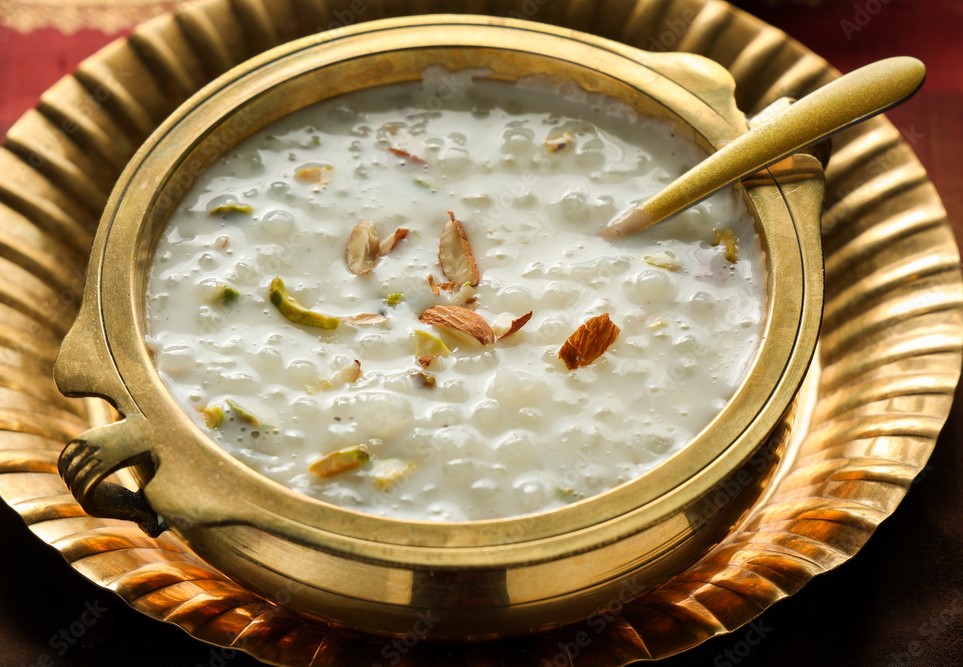
Sabudana Kheer: The Complete Guide to India’s Beloved Fasting Dessert
Ingredients
Ingredients for Sabudana Kheer (with Measurements)
- ½ cup Sabudana (tapioca pearls) small or medium
- 4 cups Full-fat milk (about 1 litre)
- ½ cup Sugar to taste
- ½ tsp Green cardamom powder (about 4–5 pods, crushed)
- 1.5 cups Water, for soaking and the first stage of cooking
For garnish and a flavour lift:
- 10–12 pcs Almonds, slivered
- 10–12 pcs Cashews, chopped:
- 1 tablespoon Pistachios, slivered
- 1 tablespoon Raisins
- Saffron: a generous pinch (optional, but lovely)
- 1 teaspoon Ghee for toasting the nuts (skip it for vegan)
Instructions
Rinse and soak the sabudana
- Rinse the pearls under running water. Keep going till the water stops looking milky.
- Drain. Cover with fresh water, about an inch above the pearls. Walk away for 3 to 4 hours.
Toast the nuts
- Warm the ghee in a small pan. Toast the almonds, cashews, and pistachios till golden and nutty.
- Toss the raisins in for the last few seconds to plump. Set the lot aside.
Cook the soaked sabudana
- Drain the pearls. Bring about a cup of water to a gentle boil in a heavy-bottomed pan. Slide the sabudana in.
- Simmer 5 to 7 minutes, stirring here and there, till every pearl goes fully see-through. The heavy pan isn't fussy.
Add the milk
- Pour the milk in. Stir. Bring it to a gentle boil, then drop to a steady simmer. Cook 12 to 18 minutes now, stirring often, scraping the bottom.
- It thickens as the milk reduces and the tapioca lets go of its starch.
Sweeten and flavour
- Pearls completely soft? Kheer thick enough? Stir in the sugar. Give it another 3 to 4 minutes to dissolve.
- Add the cardamom, the saffron if you're using it, and most of those toasted nuts and raisins.
Rest and finish
- Off the heat. It thickens as it cools, so stop while it's still a touch looser than you want
- Scatter the reserved nuts on top. Serve it warm. Or chill it. Once the soaking's behind you, the whole thing's maybe half an hour.
Notes
- Nearly every kheer disaster comes down to two things. The soak. The heat.
- Soak properly. Water an inch over the pearls.
- Use a heavy pan and keep the heat low—sabudana plus milk plus a roaring flame equals scorched starch.
- Every time. Stir gently. Hold the sugar back till the pearls are soft.
- Tapioca keeps drinking up liquid after you kill the heat. So cook it a shade thinner than you want. Loosen it later with warm milk if it tightens.
Health Benefits and Nutritional Information
It’s comforting. It carries real nutritional value. And let’s not kid ourselves—it’s still dessert, so portion size matters most.
Sabudana is fast energy, all that starch. Which is exactly why it became fasting food. Gentle on the stomach. Naturally gluten-free, so it works for anyone off wheat-based sweets. The milk and nuts do the nutritional heavy lifting. Protein and calcium from the milk. Healthy fats, a little protein, some fibre and micronutrients from the almonds, cashews, and pistachios.
Rough numbers. One serving—a quarter of this recipe, full-fat milk, half a cup of sugar—sits around 280–340 calories. Roughly 8–10 g protein, 9–13 g fat, 45–55 g carbohydrate. Ballpark only. It shifts with your milk, your sweetener, how generous you are with the nuts. The honest summary: sabudana on its own is high in carbs, thin on protein and fibre. Treat it as a treat, or as fasting fuel. Watching your blood sugar? Keep the portion small. Try the jaggery or sugar-free versions below.
Delicious Variations of Sabudana Kheer
Vegan Sabudana Kheer
Swap dairy for a rich plant milk. Full-fat coconut, cashew, or thick almond. Coconut’s the most decadent and plays gorgeously with cardamom and saffron—though it brings its own flavour along. A thinner plant milk stays more neutral. Toast the nuts in coconut oil instead of ghee. Same steps otherwise. Keep half an eye on the consistency, since plant milks thicken on their own schedule.
Jaggery Sabudana Kheer
Jaggery (gur) brings a deep, almost caramel sweetness. One rule you can’t break: never drop jaggery into hot milk on the flame. It’ll curdle the whole pot. Melt it separately with a splash of water into a syrup. Pull the kheer off the heat. Let it cool a minute or two. Then stir the syrup through. Fantastic with coconut milk if you want vegan and jaggery at once.
Dry-Fruit-Rich Sabudana Kheer
My festival version. The one guests remember. On top of the usual nuts, pile in chopped dates, dried figs, toasted makhana (fox nuts), and golden raisins. Stir a spoonful of grated khoya (mawa) through at the end. It turns properly indulgent. Heavier. Richer. The kind of bowl people go quiet over.
Common Mistakes and How to Avoid Them
Most of what goes wrong is avoidable. Skip the rinse and surface starch turns the kheer gummy—rinse till the water runs clear. Under-soak and the centres stay hard no matter how long you simmer, so squash a pearl and check for that opaque dot.
Blast it on high heat and you scorch the milk and starch, so keep that gentle simmer. Add sugar too soon and the pearls stop softening while the kheer thins out. Stir jaggery into boiling milk, and it curdles—add it as a separate syrup, off the heat. And don’t let it over-thicken. Tapioca keeps absorbing liquid as it cools. Cook it thinner. Keep stirring, gently, all the way through.
Storage and Reheating Instructions
It keeps well. Brilliant for festival batch-cooking. Cool it to room temperature. Fridge it in an airtight container, up to 3 days. It’ll set thick in there—totally normal, don’t panic.
To reheat, warm it gently on the stove or in the microwave with a splash of warm milk to loosen it. Stir as it goes so it heats evenly. Freezing? I’d avoid it. Dairy kheer tends to split, and the tapioca can turn grainy. But if you really must—a month, max. Then reheat with extra milk.
Serving Suggestions and Garnish Ideas
Lovely on its own. But a few touches turn it into an occasion. Warm in winter. Well-chilled in summer, when the creaminess really comes alive. On a fasting day, it’s a satisfying mini-meal. On a festival spread it sits happily beside sabudana khichdi or a plate of fruit.
For the finish: slivered almonds, pistachios, and cashews scattered on top. A few saffron strands. A dusting of cardamom. A drop of rose or kewra water just before serving, for that festive perfume. And serve it in little clay kulhads or brass bowls. Small thing. Makes the whole dish feel special.
Final Thoughts
Sabudana Kheer pulls off a neat trick. Festive sweet. Fasting staple. Comfort food. Beginner recipe. All in one bowl. Get the two things right that actually matter—rinse well, soak fully—keep the flame low, sweeten at the right moment. You’ll land tender, glassy pearls in silky, cardamom-scented milk nearly every time.
Navratri, Ekadashi, the long Maha Shivaratri night, or just a quiet evening when you want something warm—this rarely lets you down. Make it once. Then make it yours. Measuring cup optional. Exactly the way my grandmother insisted.
Related Recipes
Frequently Asked Questions (FAQs)
Sabudana Kheer is a traditional Indian milk pudding made from tapioca pearls (sabudana), milk, sugar, and cardamom, usually finished with toasted nuts and saffron. The pearls are soaked, then simmered until soft and translucent in creamy, sweetened milk. It’s especially loved as a fasting dessert during Hindu festivals.
It gives quick energy, is easy to digest, and the milk and nuts add protein, calcium, and healthy fats. But it’s high in carbs and sugar, so enjoy it in moderate portions—and jaggery or a sugar-free version with plenty of nuts makes it more balanced.
Yes. Sweeten with jaggery (melted into a syrup and stirred in off the heat so it doesn’t curdle the milk), a date paste, or a cooking-friendly sugar substitute. The natural sweetness of dates and raisins can also cut down or replace added sugar.
Small pearls usually need 2–3 hours; medium pearls do better with 4–6 hours or an overnight soak, with water about an inch above them. They’re ready when swelled, translucent, and easily squashed with no hard white centre.
Usually it’s surface starch from unrinsed pearls, too-high heat, or over-stirring. Rinse until the water runs clear before soaking, cook on a gentle simmer in a heavy-bottomed pan, and stir gently rather than vigorously.
Soak 1/2 cup sabudana for 3–4 hours until soft. Simmer the drained pearls in a little water until translucent, add 4 cups of milk, and cook on low heat, stirring, until thickened. Add sugar and cardamom near the end, fold in toasted nuts, and serve warm or chilled.