
Fast during Navratri, or even a regular Monday vrat, and samak rice or barnyard millet recipe turns up sooner or later. It cooks quickly, sits light on the stomach, and stretches easily from a plain khichdi to a proper pulao. This guide covers soaking, ratios, the usual mistakes, and storage — the stuff that actually decides whether your rice comes out fluffy or turns into porridge.
KEY TAKEAWAYS
- Samak rice isn’t rice at all — it’s a small seed from the barnyard millet family, and that’s exactly why it’s allowed during religious fasting when actual grains aren’t.
- Rinse it properly before soaking. Skip this and the surface starch turns your cooked rice gummy instead of separate and light.
- 1 cup rice to 2 cups water is the ratio to remember, whether you’re using a pot or a pressure cooker.
- Soaking for 15-20 minutes isn’t compulsory, but it cuts cooking time and improves texture noticeably.
- Overcooking is the mistake almost everyone makes. Samak rice turns to mush fast — start watching it closely past the seven-minute mark.
- It pairs naturally with sendha namak, peanuts, curd, and kuttu, which is why it doubles as a complete meal on a fasting day, not just a side.
What is Samak Rice Made From?
Samak rice comes from barnyard millet. Not rice. It’s the seed of a wild grass — Echinochloa, if you want the botanical name — that Indian households have cooked for generations, long before Navratri turned it into a fasting staple.
The confusion makes sense once you’ve actually cooked it. Boiled, samak rice looks exactly like tiny grains of rice, and cooks use it in the same dishes rice would normally fill. But it belongs to the millet family, and that’s precisely why it clears the bar during a vrat, when wheat, regular rice, and lentils get benched. Hindu fasting rules permit a specific list of foods — phalahar — and barnyard millet sits in that list right next to kuttu (buckwheat), singhara (water chestnut flour), and sabudana (tapioca pearls).
Walk down the vrat aisle at any grocery store during Navratri and you’ll find samak rice packed next to vrat ka atta and sabudana, labelled sama chawal, vrat ke chawal, or moraiyo depending on which state you’re shopping in. The taste is mild and a little nutty, and the cooked texture sits somewhere between couscous and fine rice — which is exactly why it works both in a savoury khichdi and a lightly sweetened kheer on fasting days.
How to cook samak rice so it doesn’t turn mushy?
Get the ratio right and stop cooking on time. That’s really the whole trick — 1 cup samak rice to 2 cups water, simmered 8-10 minutes.
Samak rice cooks faster than regular rice because the grains are small and thin-walled. That speed cuts both ways. Leave it on the flame two minutes past done, and it slides from fluffy straight into sticky porridge, no warning in between. Soaking beforehand buys some insurance — the grains take up water evenly, the cooking time drops, and you get more control over where it lands texture-wise.
Here’s how I actually do it at home. Rinse 1 cup of samak rice under running water two or three times, until the water runs close to clear. Soak in fresh water for 15-20 minutes, then drain it properly — don’t skip draining, the leftover water throws off your ratio. Heat a spoon of ghee in a pot, tip in the drained rice, pour in 2 cups of hot water, bring it to a boil, then drop the heat to low, cover, and let it simmer for 8-10 minutes. Switch off the flame and let it sit covered another 5 minutes before fluffing with a fork. Pressure cooker version: one whistle, low heat, done. Push it to two whistles and you’ll be eating mush.
What’s the difference between samak rice, sabudana, and kuttu?
People lump these three together under “vrat food.” Fair enough — they show up on the same plate during Navratri. But they come from different plants entirely, and they don’t behave the same way in a pan.
Samak rice is a millet seed, light and fluffy once cooked, closest in feel to actual rice. Sabudana is starch pulled from the cassava root — soak it, cook it, and it turns glossy, translucent, chewy-sticky, exactly the bite you’re chasing in a good sabudana khichdi. Kuttu is a pseudo-cereal, ground to flour rather than eaten whole, mostly used for pooris, parathas, and pakoras.
Practically, this means you can rotate all three through a single fasting day without repeating textures. My usual Navratri lineup: sabudana khichdi for breakfast, samak rice khichdi or pulao at lunch, kuttu ki poori with aloo sabzi for dinner. They don’t age the same in the fridge either. Samak rice dries out and wants a splash of water before reheating. Sabudana firms up but stays perfectly edible cold or warmed. Kuttu dough doesn’t keep at all — make it fresh, or don’t bother.
Recipe Card About Samak Rice for Navratri
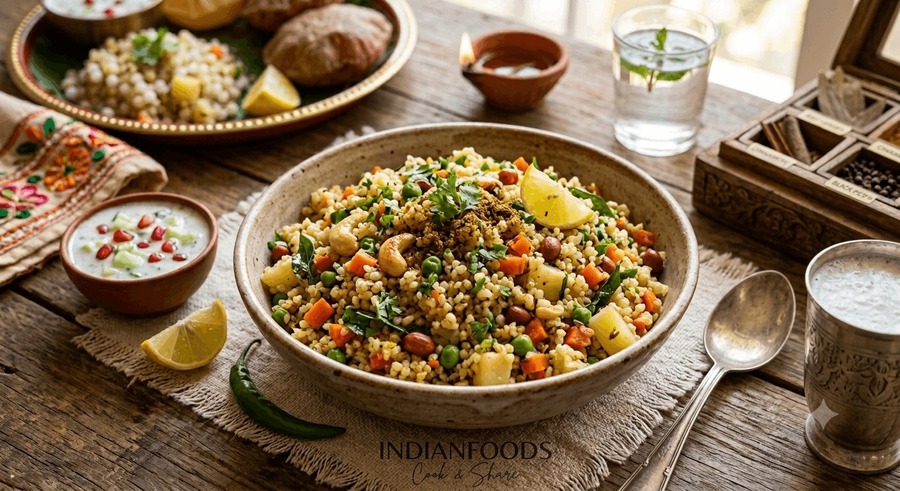
Samak Rice Recipe
Ingredients
Samak Rice Recipe
- 1 Cup Samak rice Rinsed and soaked
- 2 cups Water Hot water
- 1 tbsp Ghee For cooking
- 1-2 tbsp Sendha namak For vrat
- 2 Small Potatoes cut into small pieces
- 1 tsp Cumin seeds For tempering
- 1-2 tbsp Peanuts Roasted
- 1 small Green Chilli Finely chopped
- 1 tbsp Coriander leaves For garnish
Instructions
- Rinse the samak rice 2–3 times under running water until the water is mostly clear. Soak it in water for 15–20 minutes, then drain well.
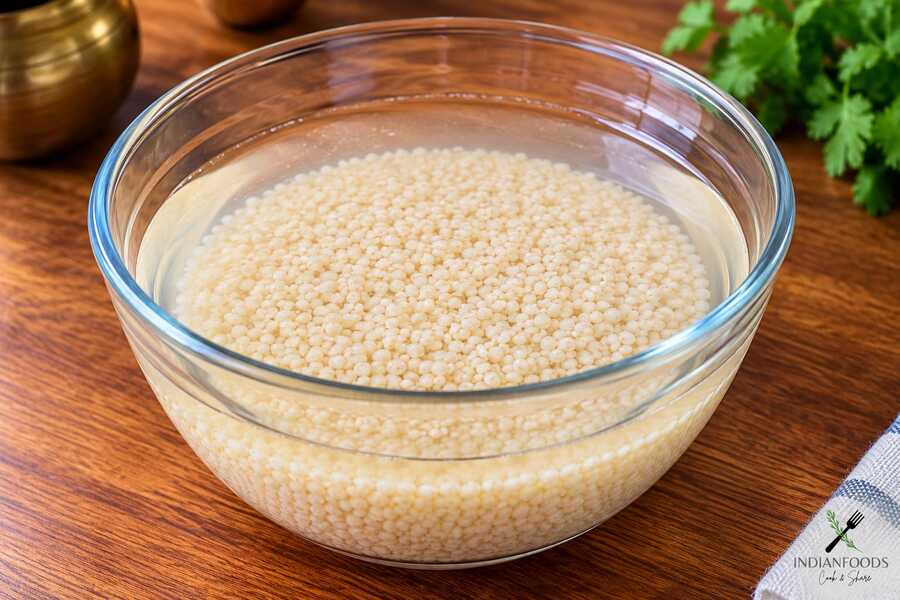
- Heat ghee in a heavy-bottomed pan over medium heat. Add cumin seeds and let them crackle.
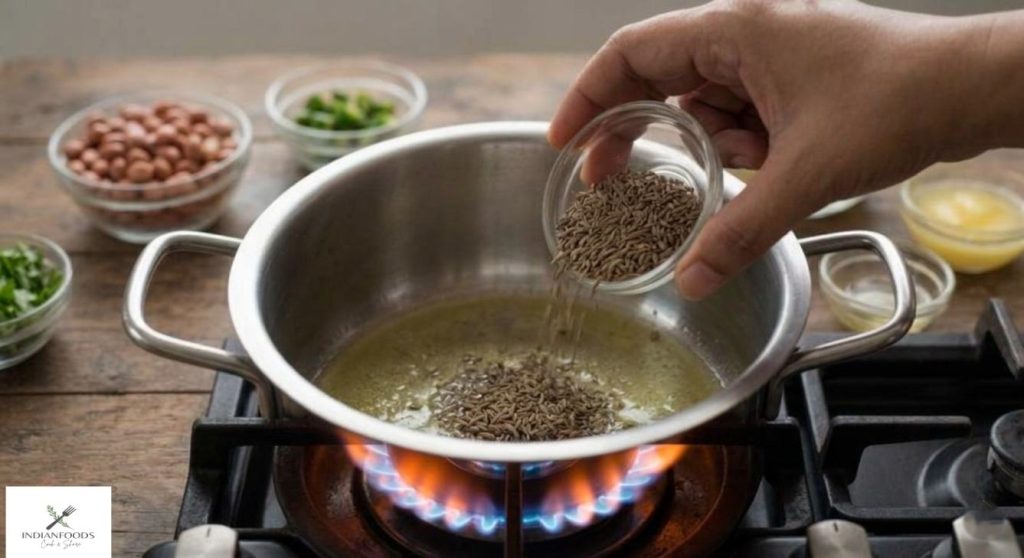
- Then add curry leaves, chopped green chilli & cut potatoes, fry it 30 seconds.
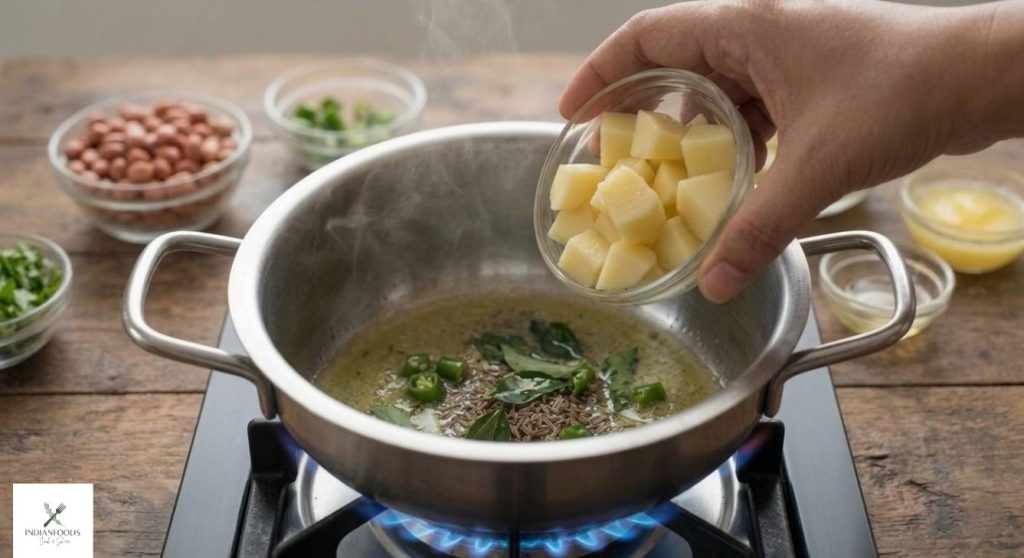
- Add roasted peanuts. Sauté for about 30 seconds.
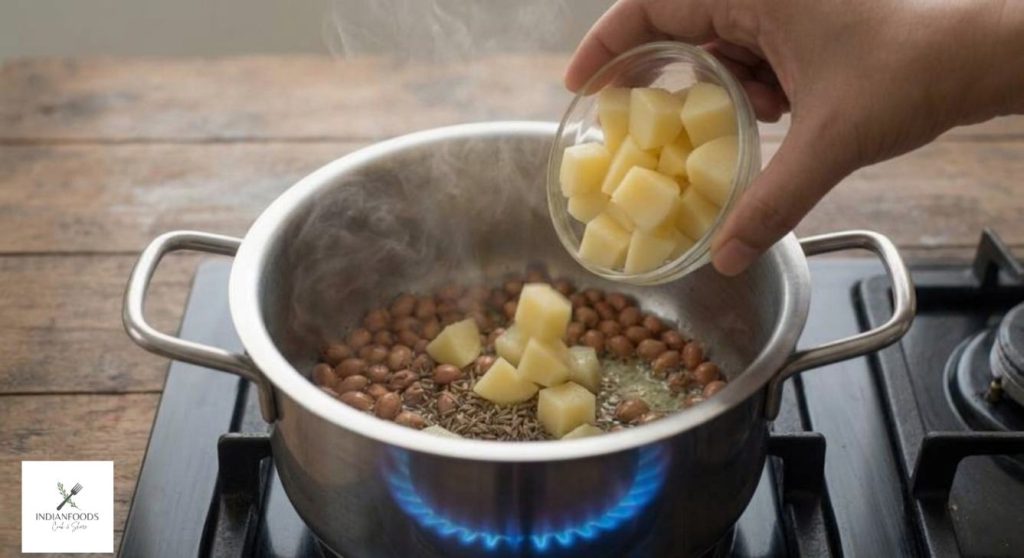
- Add the drained samak rice and gently sauté for 1–2 minutes.
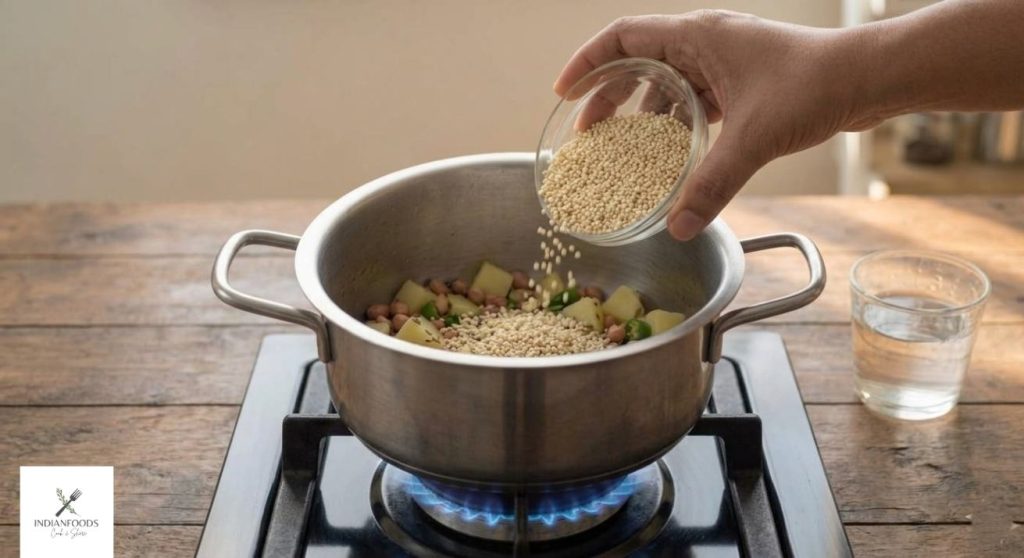
- Pour in 2 cups of hot water and add sendha namak. Bring the water to a boil.
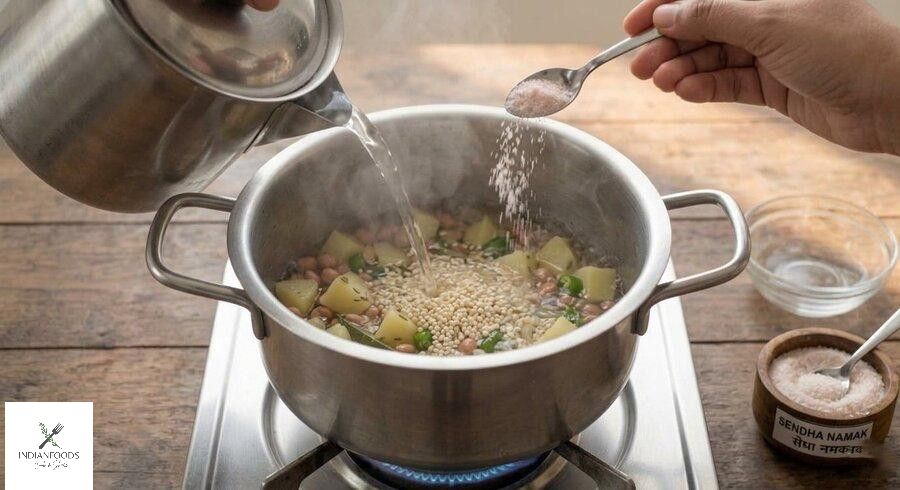
- Reduce the heat to low, cover the pan, and cook for 8–10 minutes until the water is absorbed and the rice is tender.
- Turn off the heat and let it rest covered for 5 minutes. Fluff gently with a fork and garnish with fresh coriander.
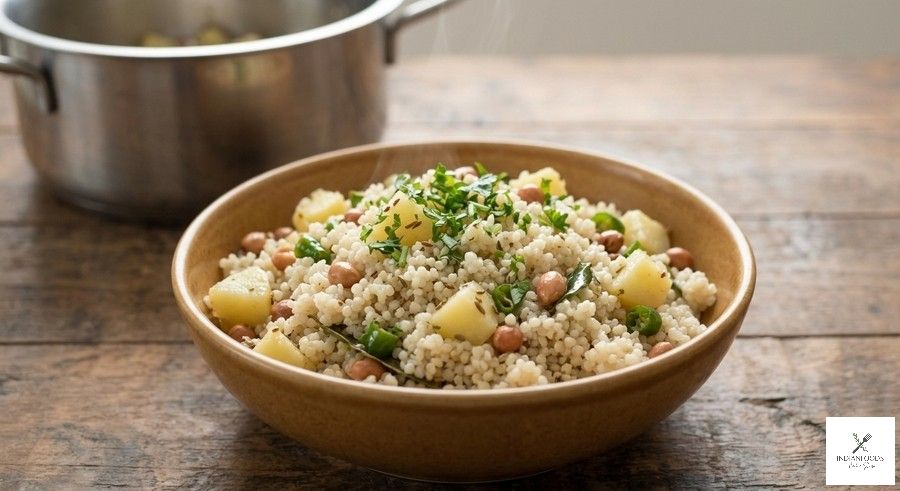
Notes
How much water do I need for samak rice?
1 cup samak rice to 2 cups water is the default. Everything else is a variation on that.| Cooking method | Rice : water ratio | Approx. time | Texture result |
|---|---|---|---|
| Stovetop (pot) | 1 : 2 | 8-10 minutes | Fluffy, separate grains |
| Pressure cooker | 1 : 1.5 | 1 whistle, low flame | Soft, slightly clumped |
| Rice cooker | 1 : 2 | 12-15 minutes (auto) | Even, moist |
| Kheer (sweet) | 1 : 4 (with milk) | 15-20 minutes | Creamy, porridge-like |
What Can I Make with Samak Rice Besides Plain Rice?
Plain boiled samak rice is fine. But it stretches a lot further than that — into khichdi, pulao, dosa, even kheer.
Samak Rice Khichdi
The default vrat dish, and for good reason. Sauté cumin seeds in ghee, toss in boiled potatoes and peanuts, then stir in the soaked samak rice along with water and sendha namak. Simmer until it’s soft and just a bit moist, then finish with lemon juice and chopped coriander.
Samak Rice Pulao
Want something drier with more bite? Temper cumin, curry leaves, and green chillies in ghee, add carrots and beans, and fold in the cooked samak rice right at the end. Adding it last keeps the grains separate instead of letting them break down.
Samak Rice Dosa
Soak samak rice in a little curd for a few hours, grind it into a smooth batter, and cook thin dosas on a hot tawa with ghee. It’s a genuinely nice break from the usual fasting menu, and it works well early in the morning.
Samak Rice Kheer
Cook the rice straight in milk with sugar or jaggery — check your own fasting rules on jaggery first — until it thickens. Flavour with cardamom, scatter some chopped nuts on top, and you’ve got a dessert that doesn’t feel like fasting food at all.
Common mistakes when cooking samak rice
- Skipping the rinse. Samak rice holds surface starch just like regular rice. Skip the rinse and you get a gluey clump instead of separate grains.
- Cooking with cold water. Starting with hot water shortens the cooking time and keeps the grains from breaking down before they’re properly cooked.
- Walking away while it simmers. The grains are fine enough that two extra minutes on the heat separates fluffy rice from porridge. Stay nearby once it hits a low simmer.
- Reaching for regular salt. During a vrat, sendha namak is the rule — ordinary iodised table salt doesn’t count as fasting-appropriate.
- Skipping the soak entirely. You can get away without soaking, but the grains cook less evenly and take longer. Fifteen minutes isn’t much to give up if you have it.
- Sealing it warm. Pack cooked samak rice into an airtight box while it’s still warm and you trap steam inside, which turns it soggy by the time you’re ready to eat.
Common mistakes when cooking samak rice
- Skipping the rinse. Samak rice holds surface starch just like regular rice. Skip the rinse and you get a gluey clump instead of separate grains.
- Cooking with cold water. Starting with hot water shortens the cooking time and keeps the grains from breaking down before they’re properly cooked.
- Walking away while it simmers. The grains are fine enough that two extra minutes on the heat separates fluffy rice from porridge. Stay nearby once it hits a low simmer.
- Reaching for regular salt. During a vrat, sendha namak is the rule — ordinary iodised table salt doesn’t count as fasting-appropriate.
- Skipping the soak entirely. You can get away without soaking, but the grains cook less evenly and take longer. Fifteen minutes isn’t much to give up if you have it.
- Sealing it warm. Pack cooked samak rice into an airtight box while it’s still warm and you trap steam inside, which turns it soggy by the time you’re ready to eat.
Planning your Navratri menu?
Indian Foods runs a full set of tested vrat recipes —
- Sabudana Khichdi Recipe
- Kuttu Ki Puri Recipe
- Vrat Ke Aloo Recipe
- Singhare Atta Halwa Recipe
- Sabudana Vada Recipe
FAQ’s
Yes. Samak rice is one of the most common vrat foods for Navratri, Ekadashi, Shivratri and Janmashtami. For a fasting version, cook it in ghee with cumin, potatoes, peanuts and green chillies, and use sendha namak (rock salt) instead of regular salt. Skip onion, garlic and turmeric.
Use 1 cup samak rice to 2 cups water for separate, fluffy grains, as in pulao or jeera samak. Use 1:3 for a softer khichdi texture. For kheer, cook it in 4–5 cups of milk per cup of samak.
Soaking isn’t required, but rinsing is. Wash it 2–3 times to remove dust and excess starch. If you soak it for 15–20 minutes, it cooks more evenly and turns out fluffier. Drain it well before you add it to the pan.
Samak rice has more fibre than polished white rice and provides iron and other minerals. It’s also lighter on the stomach. That makes it a filling, easy-to-digest option, both on fast days and as a regular millet swap.
Yes. Barnyard millet is naturally gluten-free, so it suits people avoiding gluten. If you’re cooking for someone with celiac disease, buy a brand that’s packed in a gluten-free facility.
For vrat meals, serve it with aloo sabzi, sabudana vada, kuttu puri, peanut curd chutney or plain dahi. On regular days, it pairs well with dal, kadhi or any curry in place of rice.