
Vrat Ke Aloo (aloo for fasting) is the potato curry every Indian household falls back on during Navratri, Shivratri, and Ekadashi fasts. It’s plain, filling, and built entirely from fasting-approved ingredients — no onion, no garlic, no turmeric. Just rock salt and a handful of warm spices, and somehow it still tastes like home.
KEY TAKEAWAYS
- Use only sendha namak (rock salt) — regular table salt has no place in most vrat kitchens.
- Skip onion, garlic, turmeric, and asafoetida if your household’s vrat rules exclude them. Most do.
- Boil potatoes until fork-tender, not soft enough to fall apart — they need to hold shape in the curry.
- Ghee is the traditional fat, though peanut oil or a sendha namak-approved oil works fine too.
- Cumin seeds, ginger, and green chili carry the whole flavor. No onion-garlic masala required.
- Serve this with kuttu puri, sama rice, or sabudana khichdi to round out a proper vrat thali.
What is Vrat ke Aloo and Why is it Different From Regular Aloo Curry?
It’s a fasting version of jeera aloo for vrat, stripped of onion, garlic, turmeric, asafoetida, and regular table salt — all considered off-limits during most Hindu religious fasts. Regular aloo curry leans on an onion-tomato base and a full spice cabinet: turmeric, coriander powder, garam masala, the works.
Vrat ke aloo drops all of that. What’s left is boiled potatoes, a tempering of cumin seeds in ghee, grated ginger, chopped green chilies, and sendha namak instead of table salt. Some families stir in curd for tang. Others crush roasted peanuts into it for body and a slight nutty edge. What comes out is a pale, lightly spiced curry — no yellow tint from turmeric, no deep red if your vrat also restricts regular chili powder.
Here’s what that means on a fasting day: if you’re doing Navratri and you’re tired of fruit and sabudana, this gives you something warm and actually satisfying without breaking any rules. It’s comfort food for a day when comfort food is in short supply — mild, easy on the stomach, and done in under 30 minutes.
What ingredients can and can’t be used in navratri aloo sabzi?
The core rule is no onion, garlic, turmeric, or table salt. But the exact list shifts depending on region, family, and which fast you’re keeping. Navratri tends to be stricter than a weekly Ekadashi or Somvar fast, so figure out your household’s specific practice before you start chopping.
If you’re not sure, ask an elder in the family. Vrat rules were never written down uniformly across India, and every household has its own version of “the right way.”
How do I make vrat ke aloo step by step?
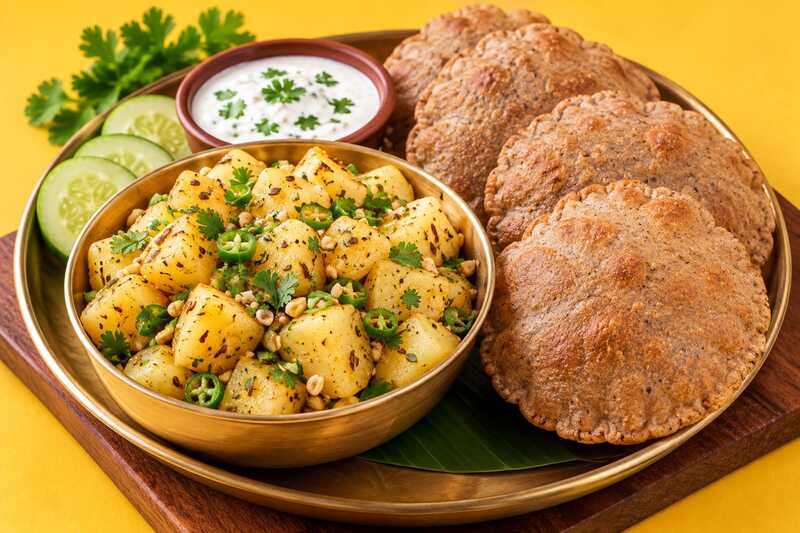
Vrat Ke Aloo Recipe
Ingredients
Vrat Ke Aloo Recipe
- 4-5 Medium Potatoes Boiled and peeled
- 1 tsp Ginger grated
- 1-2 Medium Green Chillies Finely chopped
- 2 tbsp Roasted peanuts Crushed
- 1-2 tbsp Sendha Namak Optional
- 1/4 tsp Black pepper powder
- 1 tsp Hing (asafoetida)
- 1 tsp Cumin seeds
- 2-3 tbsp Ghee
- 1-2 tsp Fresh Coriander Optional
- 1 tsp Curd Optional
- 1 tsp Lemon juice Optional
Instructions
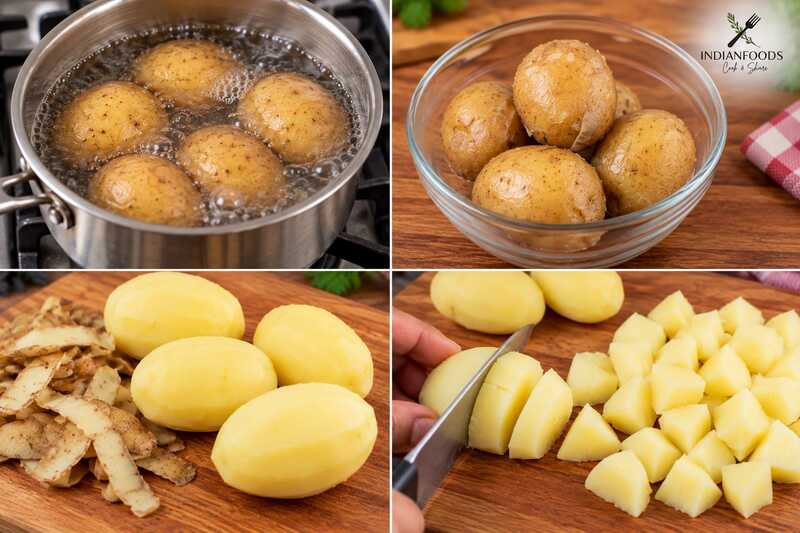
- Wash 4-5 medium potatoes and boil them until a knife slides in easily — about 12-15 minutes on the stovetop, or 2 whistles in a cooker. Don't push past that point. Overcooked potatoes turn mushy and fall apart the moment they hit the pan. Once they're cool enough to handle, peel and cube them into roughly 1-inch pieces so they keep their shape while simmering.
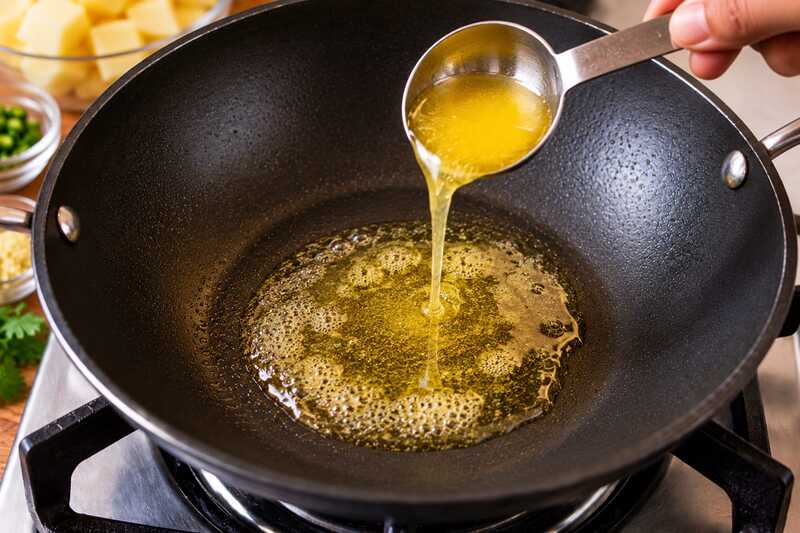
- Heat 2-3 tablespoons of ghee in a kadai on medium heat. Drop in 1 pinch of hind and 1 teaspoon of cumin seeds and let them sizzle for a few seconds until fragrant.
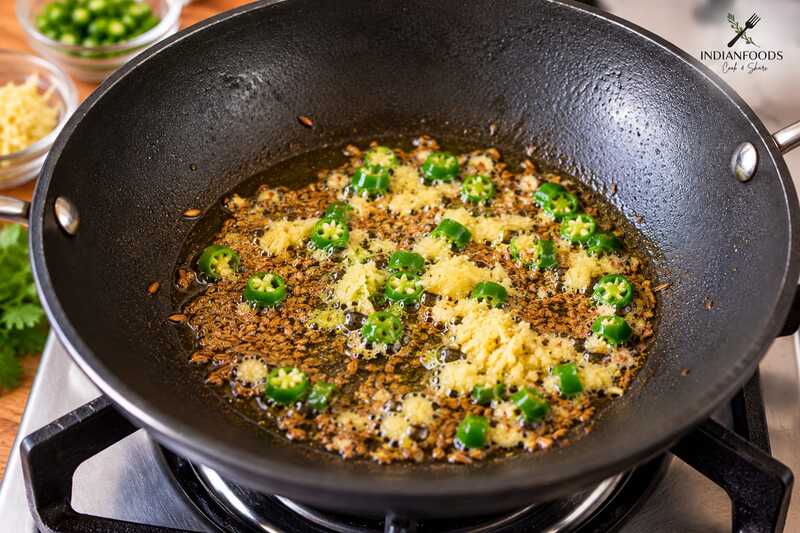
- Add 1-2 finely chopped green chilies and 1 teaspoon grated ginger. Sauté for 30 seconds — just long enough to release the aroma. Don't let the ginger brown.
- Tip the boiled potato cubes into the tempering and toss gently to coat everything in ghee.
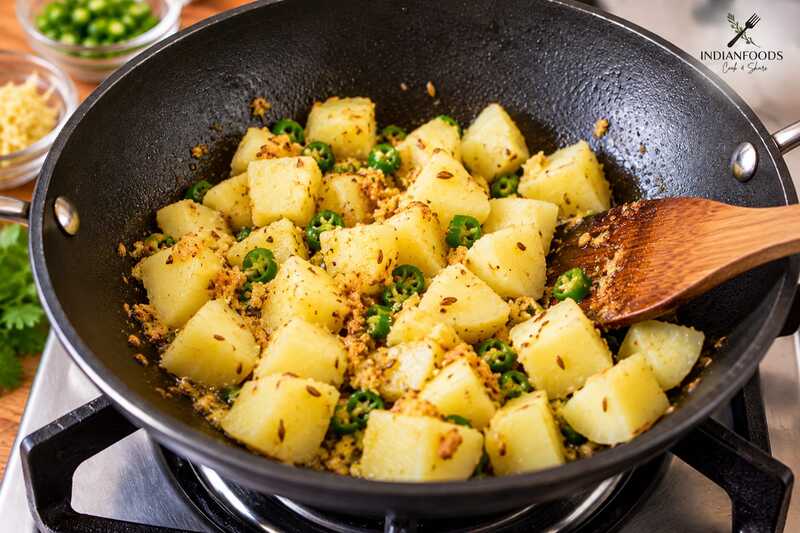
- Sprinkle in sendha namak to taste, and a pinch of black pepper if you want mild heat.
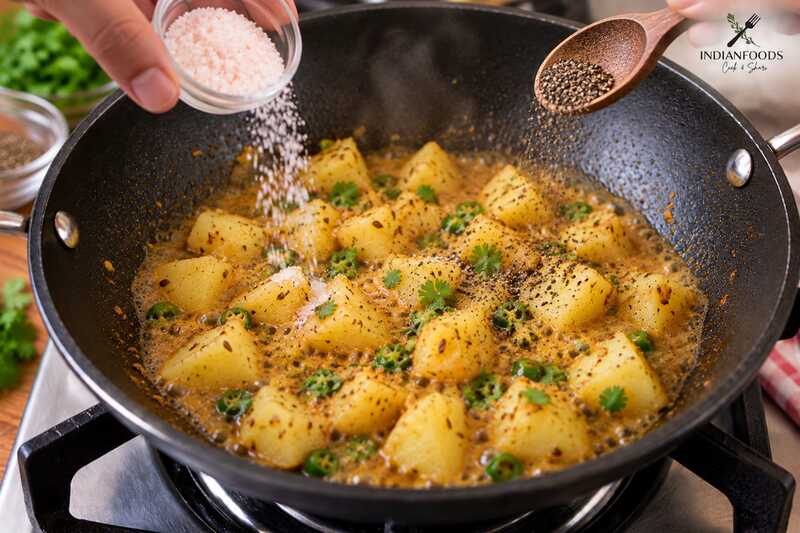
- Add a splash of water, about ¼ cup, if you prefer a slightly gravy-like curry, or skip it for a drier sabzi. Simmer 4-5 minutes on low, stirring now and then so nothing sticks.
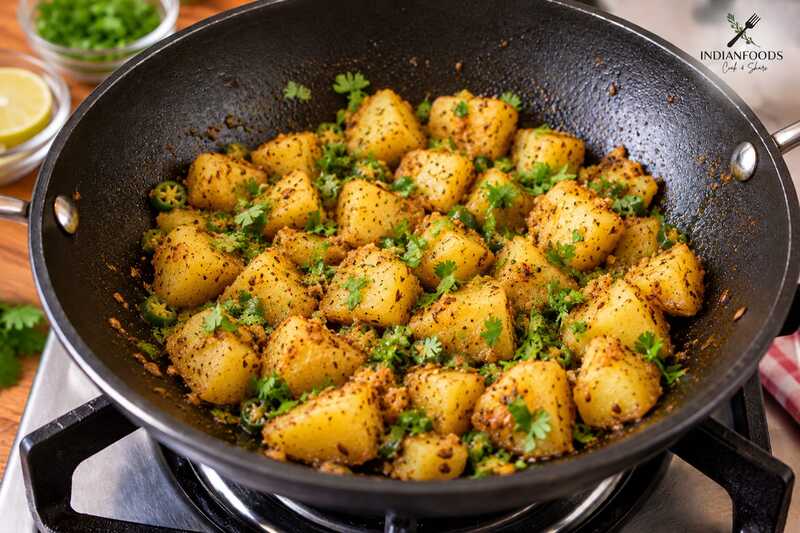
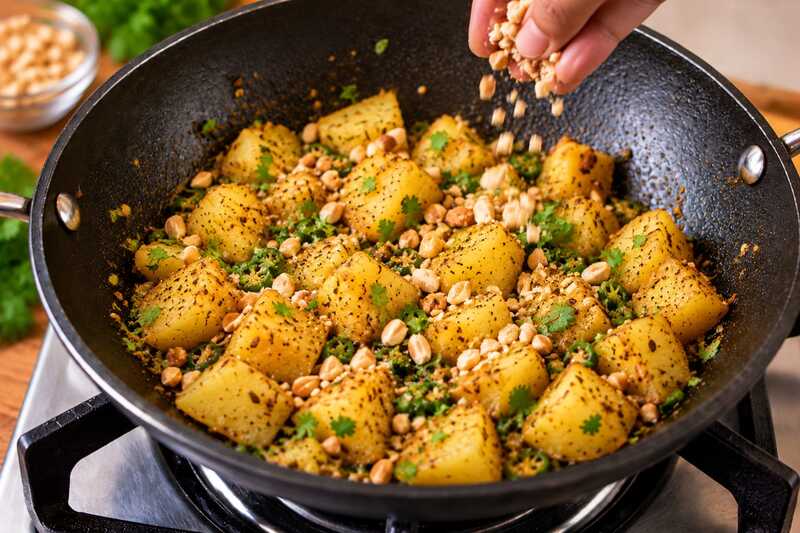
- Right before serving, stir in 2 tablespoons of roasted, crushed peanuts or a spoon of fresh curd — whichever you prefer, or both if that's how your family does it. Finish with chopped coriander (if your vrat allows it) and a squeeze of lemon.
Notes
Tips for firm, golden vrat ke aloo
Texture depends on how you boil and cool the potatoes, not on the spices.- Choose waxy or new potatoes. They hold their shape; floury potatoes break up when tossed.
- Stop boiling at just tender. The cubes keep softening in the pan.
- Cool before cutting. Warm potatoes crumble; potatoes boiled the night before and chilled cube cleanly and crisp better.
- Give them room. Spread the cubes in one layer and turn them only every 2 minutes for golden edges.
- Add lemon off the heat. Cooked lemon juice tastes flat and slightly bitter.
- Use ghee for flavour. It is the traditional fasting fat; peanut oil is the vegan swap.
How do I actually get started if I’ve never made this before?
Check what your specific fast permits first. Then gather sendha namak, ghee, cumin, ginger, and green chilies before the potatoes even touch water. This one step saves you the annoyance of realizing halfway through cooking that you’re missing rock salt, or unsure if the peanuts are even allowed.
Boil the potatoes first. While they cool, prep everything else — chop ginger and chilies, measure out cumin and rock salt. That way, once the tadka starts, you move fast and nothing sits burning in ghee while you’re still chopping. Keep pre-roasted, crushed peanuts in a small bowl nearby if you’re using them.
In practice, a first-timer can have the potatoes boiling away in a cooker while prepping everything else, then finish the tempering and simmering in under 10 minutes once the potatoes are ready. Active cooking rarely goes past 15-20 minutes. That’s a big part of why this dish shows up on ordinary weekday fasts, not just Navratri.
What are the Common Mistakes People Make with Vrat wale Aloo?
- Overboiling the potatoes. Mushy potatoes turn the curry into paste instead of a dish with distinct, tender cubes. Boil until a knife passes through with slight resistance, not zero resistance.
- Reaching for table salt out of habit. This one defeats the entire point of the dish. Check your salt jar before you start cooking on a fasting day, not after.
- Burning the cumin seeds. Cumin turns bitter fast in hot ghee. Give it 5-8 seconds, then move on immediately.
- Adding turmeric because your hand does it automatically. Plenty of cooks reach for the turmeric jar without thinking. If your vrat excludes it, the curry stays pale. That’s correct, not a mistake.
- Skipping the ginger-chili sauté. Throwing raw ginger and chili straight onto the potatoes instead of blooming them in ghee gives you a flatter, less fragrant curry. The thirty seconds in oil matters.
- Not tasting before you serve. Sendha namak behaves differently on the tongue than table salt — it’s easy to under-salt or over-salt without noticing. Taste right before plating, every time.
| Looking for more fasting-friendly recipes that actually taste good? At Indian Foods, every vrat recipe gets tested in a home kitchen with real, authentic ingredients, so what you get respects tradition instead of feeling like a compromise. From sabudana khichdi to kuttu ki puri, your fasting thali is covered. → Subscribe for weekly recipes at https://indianfoods.co.in |
What can I Serve With Vrat ke Aloo For a Complete Vrat Thali?
Pair it with kuttu ki puri, sama (samvat) rice, or sabudana khichdi for a filling, balanced fasting meal. On its own, the curry is fairly light — most households build a small thali around it rather than eating it as a standalone dish, and honestly, it needs the company.
A typical Navratri thali might have vrat ke aloo next to kuttu ke atte ki puri, a small bowl of curd, and roasted peanuts or makhana on the side for crunch. For Ekadashi or Somvar, sama rice khichdi works well, and a simple sabudana kheer afterward rounds the meal off nicely.
If you’re fasting through the day and need something more substantial by evening, serve the upvas batata bhaji hot with a vrat-friendly raita — curd, cucumber, roasted cumin powder. The cooling raita balances the heat from the green chilies, and the two together keep you full without sitting heavy in the stomach, which matters when you haven’t touched grains or lentils all day.
Frequently Asked Questions
Yes. Peanut oil or any oil your specific vrat tradition allows works fine, though ghee is preferred for flavor and is considered sattvic (pure) in most fasting traditions.
Depends on your family’s tradition. Many North Indian households skip it during vrats entirely, while some South Indian traditions allow it. Check your own practice before adding it.
Yes — boil the potatoes whole in a pot of water on the stovetop for 15-20 minutes, until a knife slides through easily, then peel and proceed as usual.
About 1-2 days in the fridge in an airtight container. Reheat gently on the stovetop with a splash of water to loosen it up before serving.
Some households do, especially if their vrat rules allow it, but most traditional versions use curd or lemon juice for the sour note instead.
Sendha namak, or rock salt, is unrefined and harvested straight from salt deposits. Table salt is processed and iodized. Vrat traditions treat sendha namak as the purer option, which is why it’s the one permitted during fasting.