
Kuttu ki khichadi saves a fasting day. It’s dry, lightly spiced, and quick enough to pull together between morning puja and whatever errands are waiting. I’ve made this hundreds of times during Navratri, and most of the mistakes I see people make come down to two things: not soaking the kuttu long enough, and panicking and adding water when they shouldn’t. This recipe fixes both, plus walks through every step from soaking to a khichadi that’s turned out sticky and what to do about it.
KEY TAKEAWAYS
- Kuttu (buckwheat groats) is not a cereal grain, which is why it’s allowed during Hindu fasting days.
- Soaking kuttu for 15-20 minutes before cooking softens it and prevents a gummy texture.
- Sendha namak (rock salt) replaces regular table salt in all vrat cooking.
- Boiled potatoes add body and help bind the khichadi without any grain flour.
- Roasted peanuts bring crunch and make the dish more filling during a day of fasting.
- The khichadi is naturally gluten-free and vegan if you swap ghee for oil.
What is Kuttu and Why is it Eaten During Fasting?
Kuttu is buckwheat. Technically it’s a fruit seed, not a grain, which is exactly why it slides past fasting rules that ban regular cereals. Hindu vrat traditions typically exclude wheat, rice, and other grains, but make room for “falahari” foods — fruits, certain roots, nuts, and pseudo-grains like kuttu, singhara (water chestnut), and samak (barnyard millet).
Indian kitchens have used buckwheat this way for generations. Mostly it gets roasted into flour for puris and parathas. But the whole groats — sometimes labeled “kuttu dana” — go into khichadi and pulao instead, and that’s what this recipe needs. Not the flour. The flour is reserved for fried breads, full stop.
In practice, this means when you’re shopping for a Navratri thali, you’ll pick up kuttu atta for puris and a separate pack of kuttu dana for khichadi. They look nothing alike. The flour is pale and fine. The groats are small, dark, triangular pieces that resemble cracked rice. Don’t confuse the two at the shop — I’ve seen people buy the wrong bag and end up with a pasty mess instead of a khichadi.
How do I Make Kuttu Ki Khichadi at Home?
Soak the groats, temper cumin and chilies in ghee, sauté boiled potatoes and peanuts, then fold in the drained kuttu until it cooks through. That’s the whole method. It takes about 30 minutes, and most of that is soaking time you can spend prepping other vrat dishes.
Start by rinsing half a cup of kuttu dana under running water two or three times, until the water runs mostly clear. Soak it in enough water to cover generously for 15-20 minutes. This step is non-negotiable. Unsoaked kuttu stays hard and gritty no matter how long you cook it afterward — I learned this the hard way during my first Navratri cooking for guests, and nobody finished that bowl. While it soaks, boil one medium potato until fork-tender, then peel and cube it.
Heat two tablespoons of ghee in a kadhai, add a teaspoon of cumin seeds, and let them sizzle properly — don’t rush this part. Add one or two slit green chilies and a pinch of grated ginger if you like it sharper. Toss in the boiled potato cubes and a handful of roasted peanuts, and sauté for two minutes so the potatoes pick up a little color. Drain the kuttu thoroughly, add it to the pan, season with sendha namak, and stir gently over medium-low heat for 5-7 minutes until the groats turn glossy and tender. Finish with chopped coriander and a squeeze of lemon. That lemon at the end matters more than people think — it wakes the whole dish up.
What’s the Right Kuttu-to-Water Ratio?
Roughly one part kuttu dana to one and a half parts water if you’re cooking it covered. But honestly, this khichadi doesn’t need boiling water at all, because the groats are soaked first and finish off in the pan using residual moisture. This isn’t rice khichdi, where you’re measuring water for a pot-style cook. Different dish, different logic.
Because the kuttu is pre-soaked, it absorbs enough moisture to cook through using only steam and a few tablespoons of leftover soaking water. Add too much water at the sautéing stage and the khichadi turns mushy, losing its distinct grainy bite — which defeats the point of this dish. If you’re nervous about dryness, sprinkle two to three tablespoons of water over the pan, cover for two minutes, and check.
Here’s what it should actually look like: after draining, the soaked kuttu should appear plump and slightly swollen, not swimming in liquid. Add it to the hot pan dry. Stir continuously for the first minute so it doesn’t stick. Only add water in small splashes, and only if the pan looks too dry before the groats soften. Each piece of kuttu should stay separate and tender. Not a sticky clump.
What Can I Add to Kuttu Khichadi to Make it More filling?
Boiled potato, roasted peanuts, or paneer cubes all make kuttu khichadi heartier for a long fasting day. These are all vrat-approved and add protein or substance without breaking any fasting rules.
Vegetables Allowed During Vrat
Stick to falahari vegetables: potato, pumpkin (kaddu), bottle gourd (lauki), arbi (colocasia), and tomato are the common ones. Onion and garlic get skipped in most fasting traditions, so this khichadi relies on ginger and green chili for pungency instead.
Protein Additions
Roasted peanuts are the easiest protein boost — crunchy, satiating, and already in most vrat pantries. Some households also fold in small paneer cubes toward the end of cooking, handling them gently so they don’t break apart. That turns this from a light dish into something that actually carries you through a full workday of fasting.
Dairy and Garnish Options
A spoon of fresh curd on the side, or a drizzle of ghee right before serving, rounds things out. Add coriander and lemon juice at the very end, after the pan is off the heat — add them too early and the heat cooks away both the color and the brightness.
Recipe Card About Buckwheat Khichdi
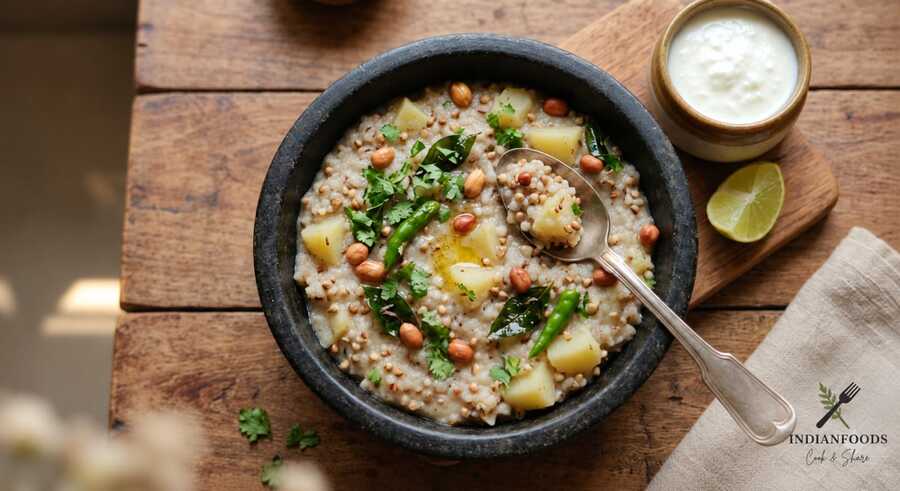
Kuttu Ki Khichadi
Ingredients
Kuttu Ki Khichadi
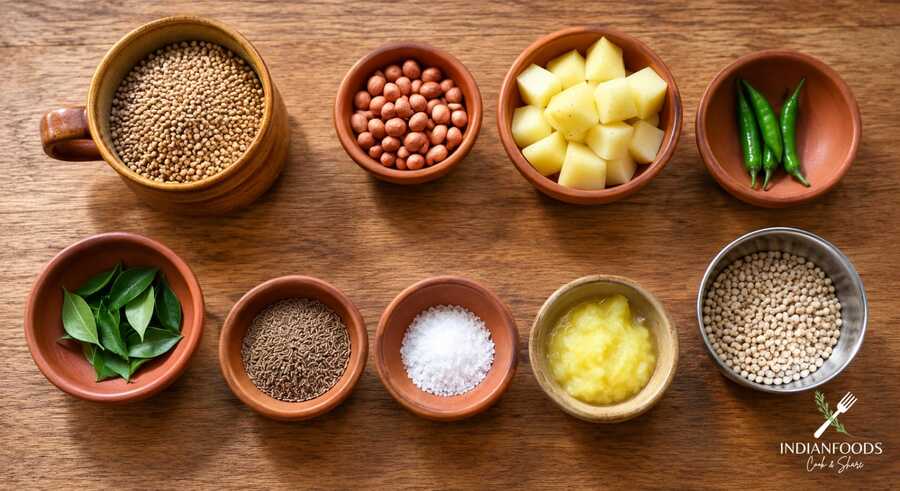
- ½ cup Kuttu Dana(buckwheat groats) Rinse and soak for 15–20 minutes
- 1 medium Potato Boiled peeled, and cubed
- 2 tbsp Ghee For cooking
- 1 tsp Cumin seeds For tempering
- 1-2 pieces Green chilies Slit lengthwise
- 1 handful Roasted peanuts Coarsely crushed or whole
- 1 pinch Grated ginger Optional
- 2 tbsp Sendha namak For fasting
- 1 tbsp Fresh coriander Finely chopped
- 1 tsp Lemon juice For freshness
- 2-3 cups Water Only if needed
Instructions
- Rinse the kuttu dana two or three times under running water. Soak it in enough water for 15–20 minutes, then drain thoroughly before cooking and Boil one medium potato until fork-tender, but make sure it does not become too soft. Peel and cut it into small cubes.
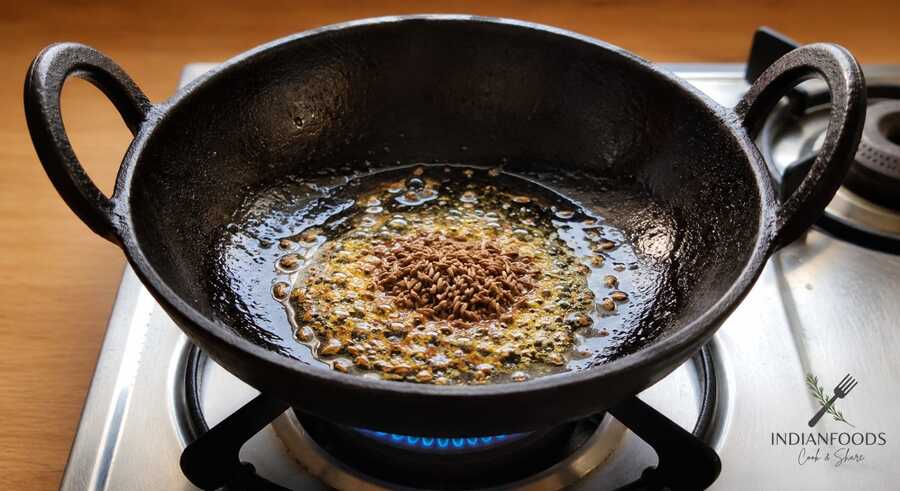
- Heat ghee in a kadhai over medium heat. Add cumin seeds and let them sizzle, then add slit green chilies and grated ginger if desired.
- Add the boiled potato cubes and roasted peanuts to the kadhai. Sauté for 2–3 minutes until the potatoes are lightly golden and coated with the spices.
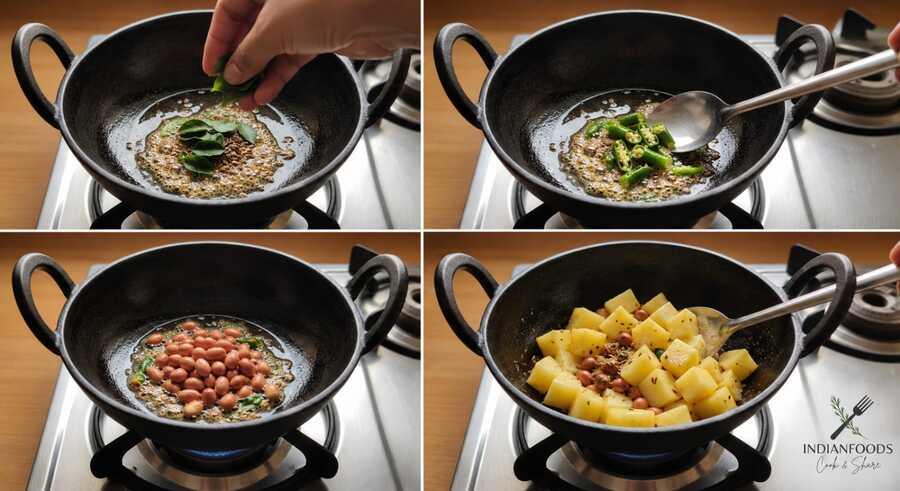
- Add the drained kuttu dana and sendha namak. Stir gently over medium-low heat for 5–7 minutes until the groats become glossy and tender. Add a little water only if the mixture looks too dry.
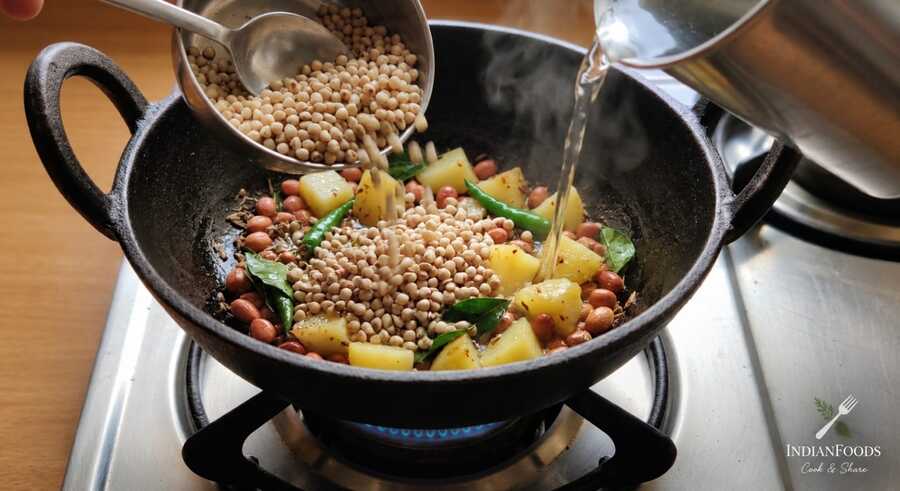
- Turn off the heat and add freshly chopped coriander and lemon juice. Mix gently and serve the hot kuttu ki khichadi fresh for vrat or Navratri fasting.
Can I Make Kuttu Khichadi Ahead of Time or Store Leftovers?
Eat this fresh. Within 30-40 minutes of cooking, ideally, because the groats firm up and lose their fluffy texture as they sit around. If you do end up with leftovers, store them in an airtight container in the fridge, and use them within a day.
Reheat gently in a pan with a teaspoon of ghee and a splash of water. Skip the microwave for this one — dry reheating makes the kuttu rubbery fast. And don’t freeze it. Buckwheat groats don’t hold up to freezing and thawing; they go mushy the moment you reheat them.
If you’re cooking for a household where only some people are fasting, it’s easier to make a small fresh batch than to scale up and store leftovers. The dish is quick enough to repeat for an evening meal anyway. Plenty of families make it twice a day through Navratri — once at breakfast, once at dinner — rather than cooking one large batch and hoping it reheats well. It doesn’t, really.
| Cooking for Navratri and want more vrat recipes that actually work? Indian Foods has a full collection of tested falahari recipes — from kuttu puri to sabudana khichdi — so you’re never stuck figuring out fasting food on the fly. → Subscribe for weekly recipes at https://indianfoods.co.in |
Common Mistakes When Making Kuttu Ki Khichadi
- Skipping the soak or soaking too briefly. Kuttu dana needs a genuine 15-20 minutes in water. A quick rinse leaves the groats hard and gritty even after cooking — no amount of extra time on the stove fixes this later.
- Using kuttu atta instead of whole groats. Two different products for two different recipes. Flour is for puris and parathas, not khichadi, and using it here turns the dish into paste.
- Adding too much water at the sauté stage. The kuttu’s already pre-soaked, so it needs almost no extra liquid. Over-pour and you get mushy, clumped khichadi instead of separate, fluffy grains.
- Forgetting sendha namak and using regular salt. Most fasting traditions call for rock salt, not iodized table salt. Double-check this if you’re cooking for someone observing a strict vrat — it’s an easy thing to overlook.
- Overcooking the potato before adding it to the pan. Boil it too soft and it breaks down into mush when sautéed. Aim for just fork-tender so the cubes hold their shape.
- Not roasting the peanuts first. Raw or under-roasted peanuts taste flat. A quick dry roast, or just using store-bought roasted peanuts, brings out the crunch and nutty depth the dish needs.
Easy Recipe to Try Next
Frequently Asked Questions
Yes. Buckwheat isn’t related to wheat despite the name, so it’s naturally gluten-free. If you have a strict gluten intolerance, check that your packaged kuttu flour or groats are processed in a facility without cross-contamination.
Yes — skip the potato and use pumpkin or bottle gourd instead, both fasting-friendly. The khichadi turns out a bit lighter but still satisfying, especially with peanuts carrying the texture.
Usually one of three things: over-soaking, too much water during cooking, or stirring too hard and breaking the groats apart. Cap the soak at 20 minutes, go easy on water, and stir with a light hand.
Kuttu khichadi uses buckwheat groats; sabudana khichdi uses soaked tapioca pearls. The textures aren’t close — one is grainy and firm, the other soft and slightly chewy. Both show up during vrat, but they’re not interchangeable in a recipe.
Yes. Swap in a neutral oil or coconut oil and the method doesn’t change at all. You lose a bit of richness in flavor, but the texture and cook time stay the same.
A quarter to a third cup of raw kuttu dana per person is a fair fasting-day portion — it expands quite a bit after soaking and cooking. Scale the potato and peanuts up proportionally if you’re cooking for a family.